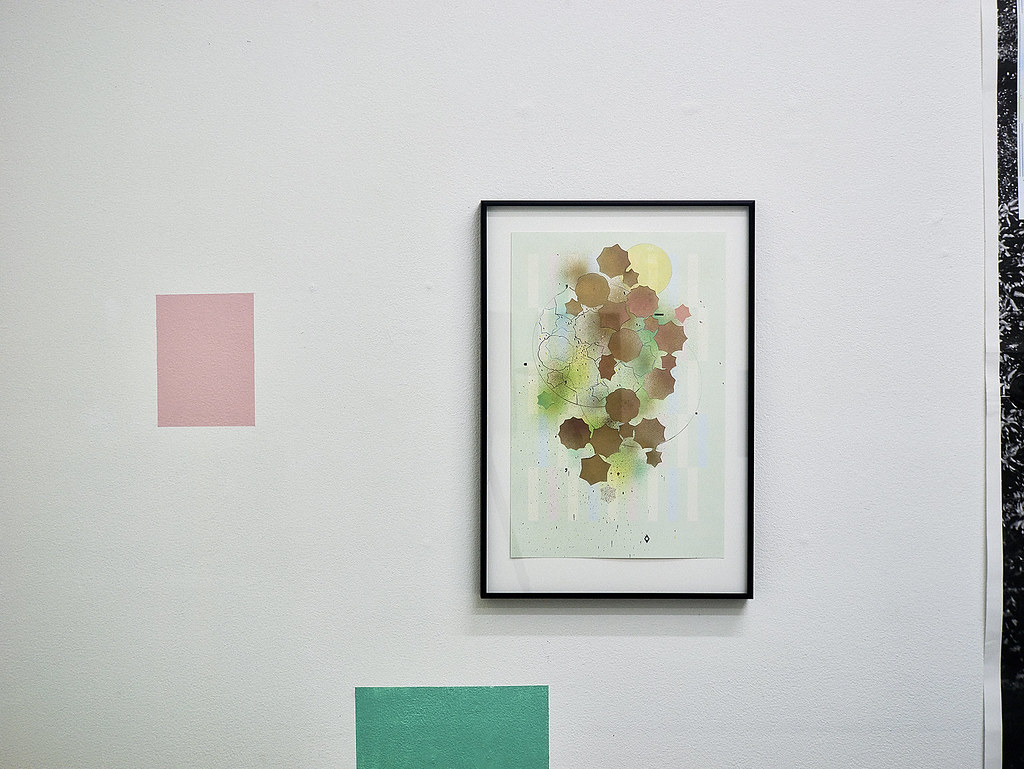
Untitled (Diurnal respite on the Matanzas; inventing forms of escape; spend the good days readying for it.) 2020. Archival pigment print, 60 x 40 inches. Shown in Wander and Errancies at CEAM, 2020.
spend the good days readying for it might need an edit. It might refer to something that I noted; I will have to check. Spent good days readying for it. Spent the goods readying for it. Spent the good part of a day. Spent the better part of a day. Spent the good part of many days readying for it. Spent days readying for it. Spend days readying for it.
it was the truest thing to say that there are things in life that can’t be renounced because renouncing them is to surrender who we are and surrendering has never been an option this is life this is life this is our truest life
I used to want to be a saint but I only became a poet. I try not to do what I don’t want to do because of the love That creeps into things even in their misery. I try to fly Over what I feel and see it but sometimes I have no choice And can only be it like an animal. I try to be honestly Outside what does not include me and honestly inside What does. I think a lot about what a dandelion in a junk heap Does compared to a dandelion in a tender garden whose every Leaf is beloved, and what such flowers which are weeds feel. Things like that Are what I think a lot about. Sometimes I think there isn’t any feeling I like quite so much as the one I get From having written a poem, a poem that I like. It’s a peaceful Feeling that I can’t find any other way. Loving you doesn’t give Me a peaceful feeling at all. Or writing to you. Or writing At all, mostly. There is the panicking feeling I like of being about To blow my brains out. Genocidal shame that makes me dream Of stuffing my own organs in my mouth for sweetness when the opacity Of certain people gives me a nauseating whiff of their dead Souls. The worlds I had to cross to see this. The things I had to do To myself to write this. The breeze on the fine white Hairs of my typing forearms, the lupine flopped over Out my window, another one bites the dust, another Surrender to spring. It’s the new moon, and according To all the art people who are into astrology lately it’s gonna Be a good one. And it isn’t my window At all. In two days it’ll be somebody else’s. But we’re Together right now, like you and me, and right now I love you completely
Columbia Student Activist Arrested by ICE at His Appointment for Citizenship
Mohsen Mahdawi, a legal permanent resident, has lived in the United States for 10 years and was arrested in Vermont. He has not been charged with a crime.