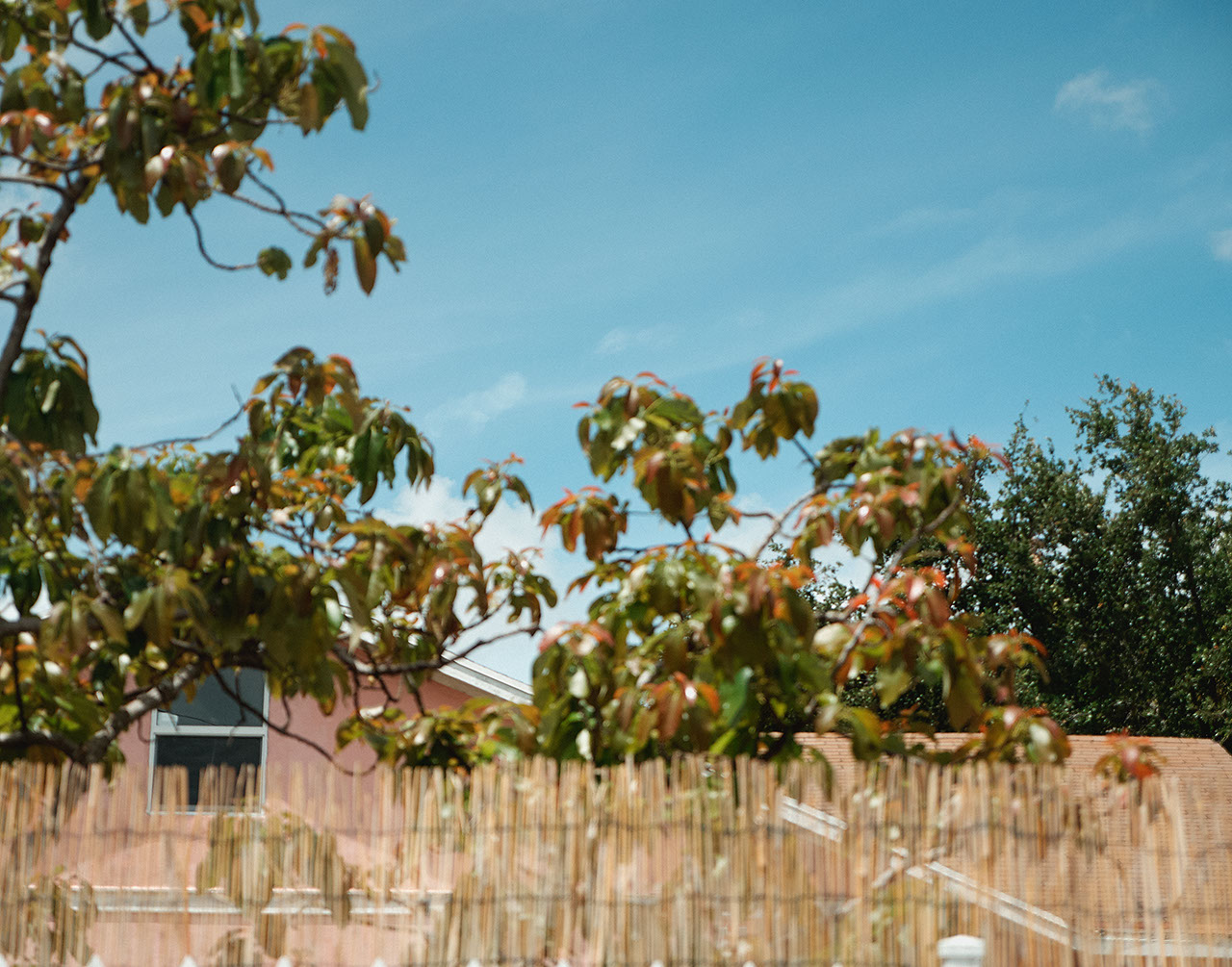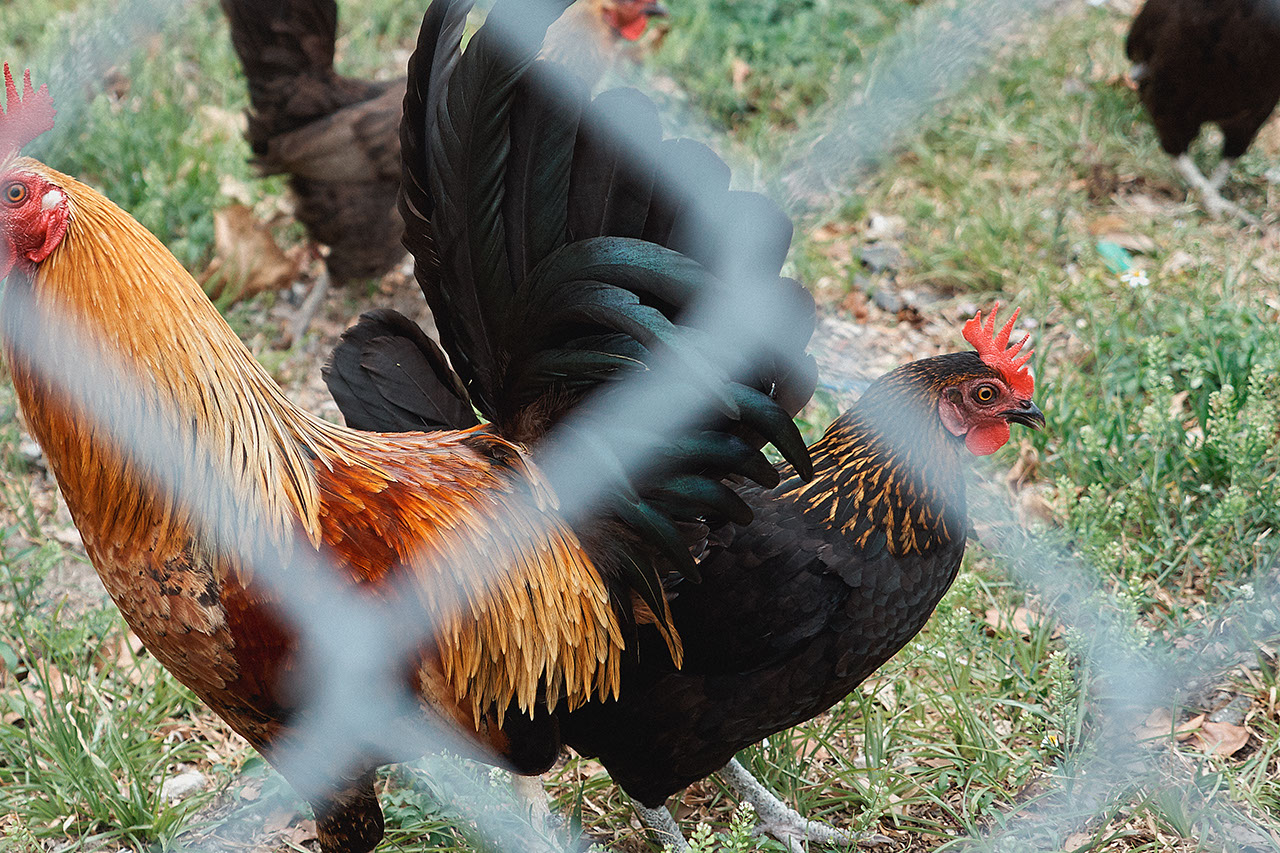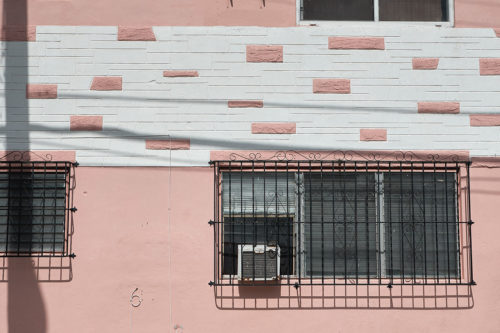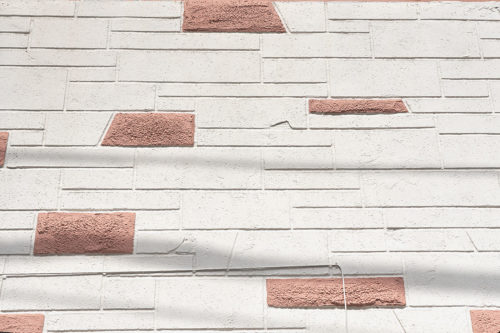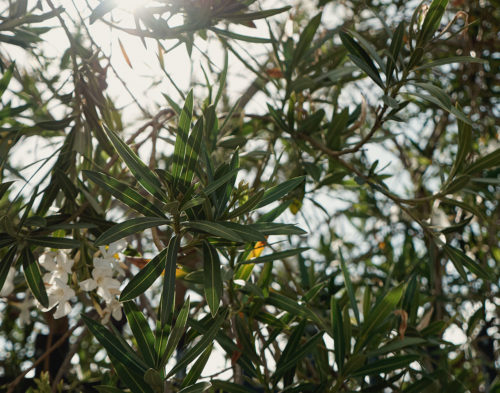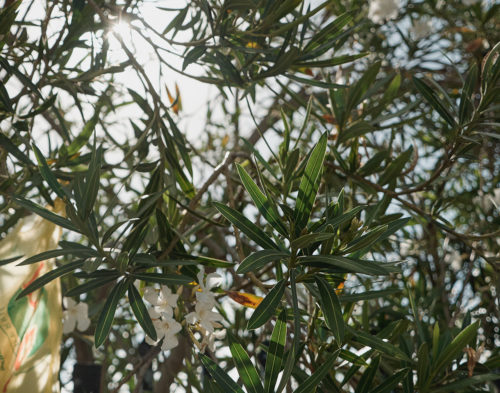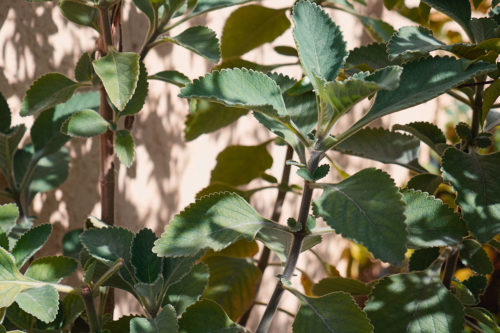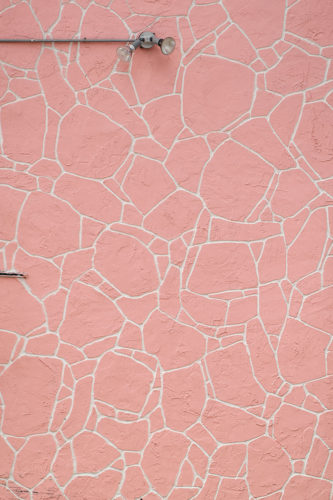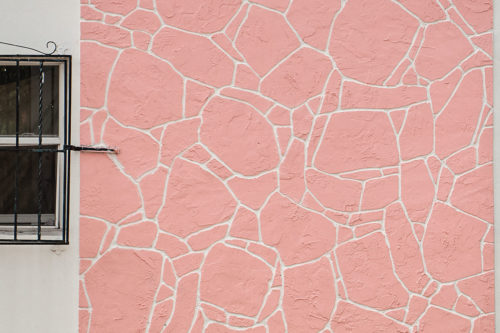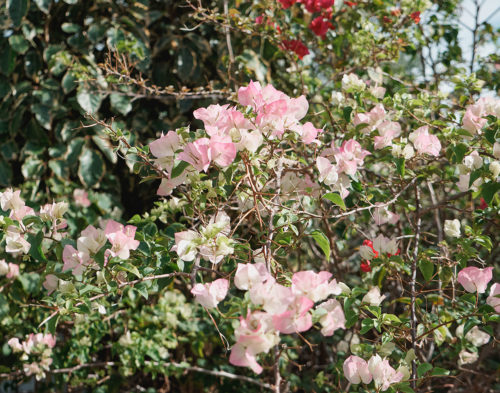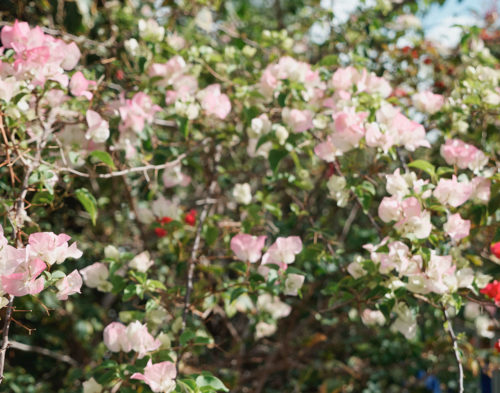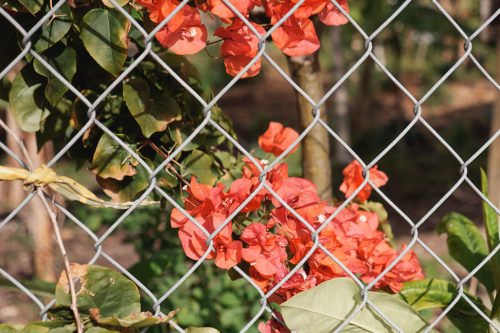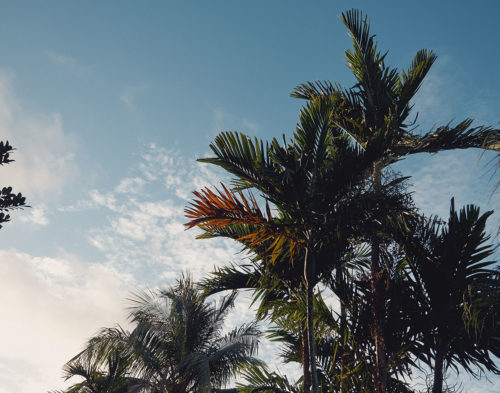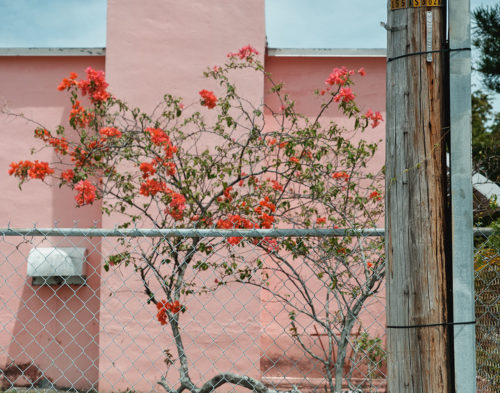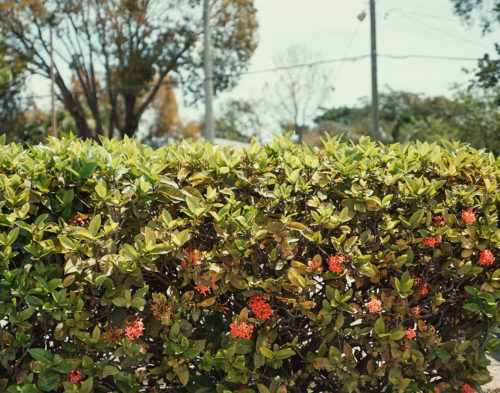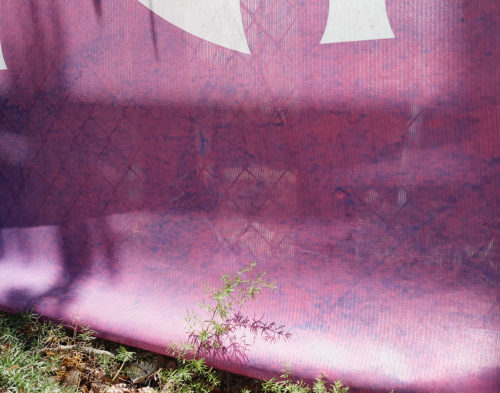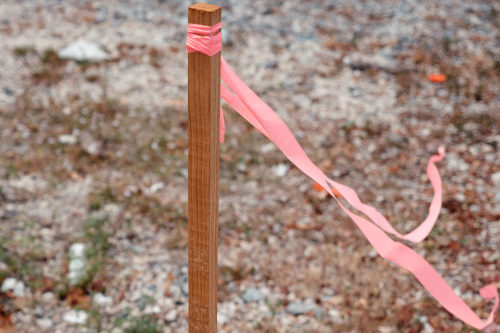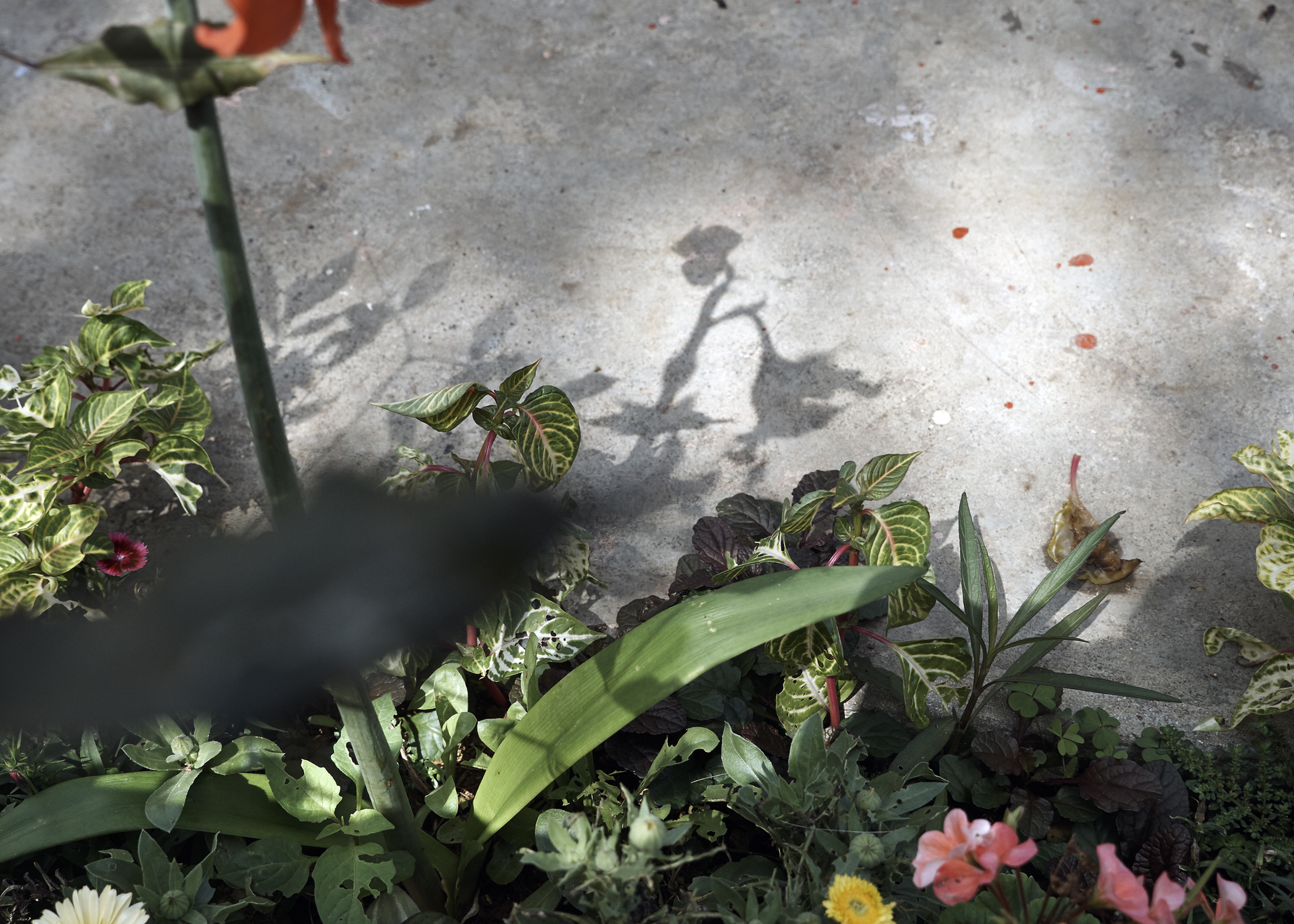
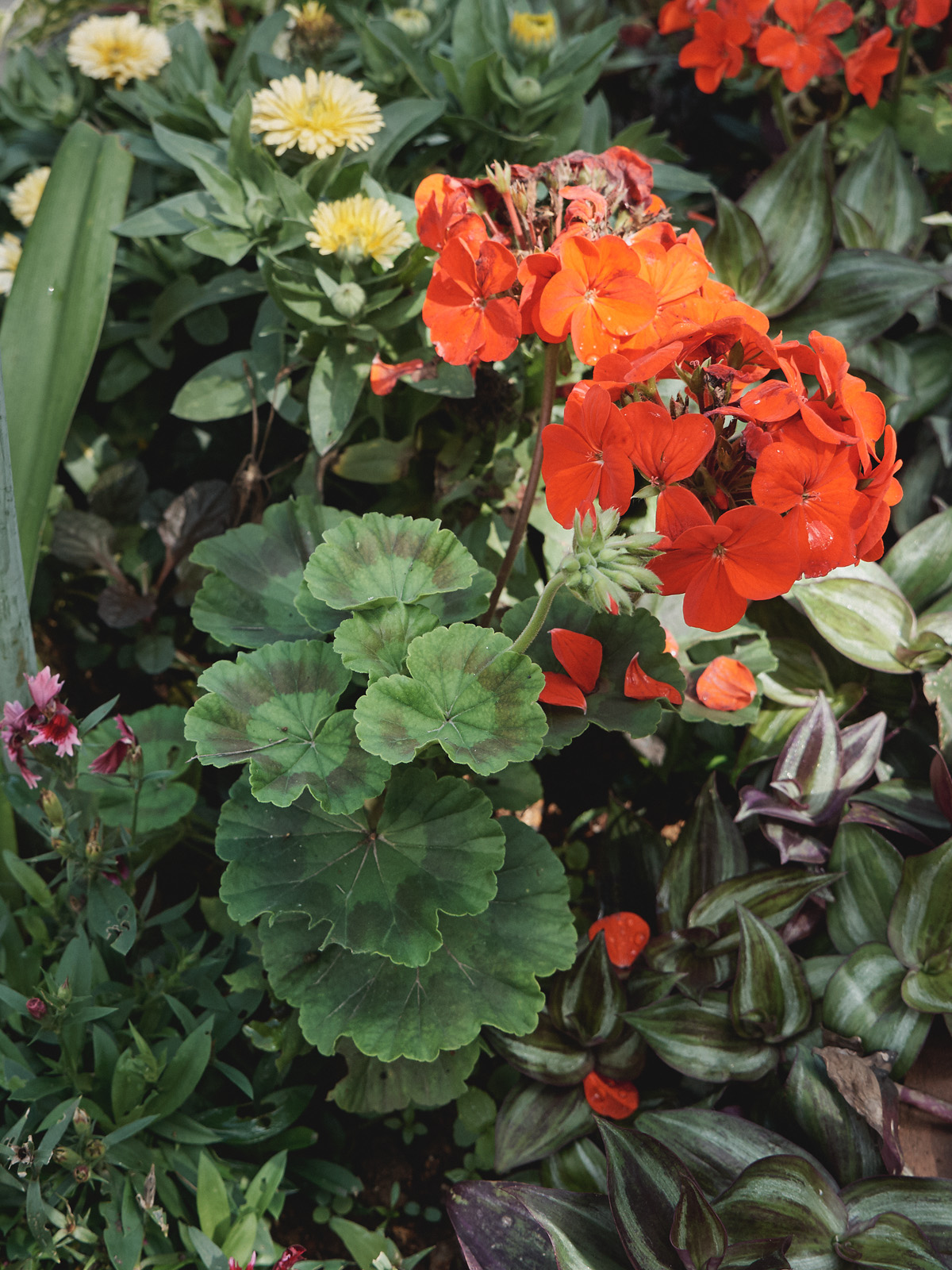
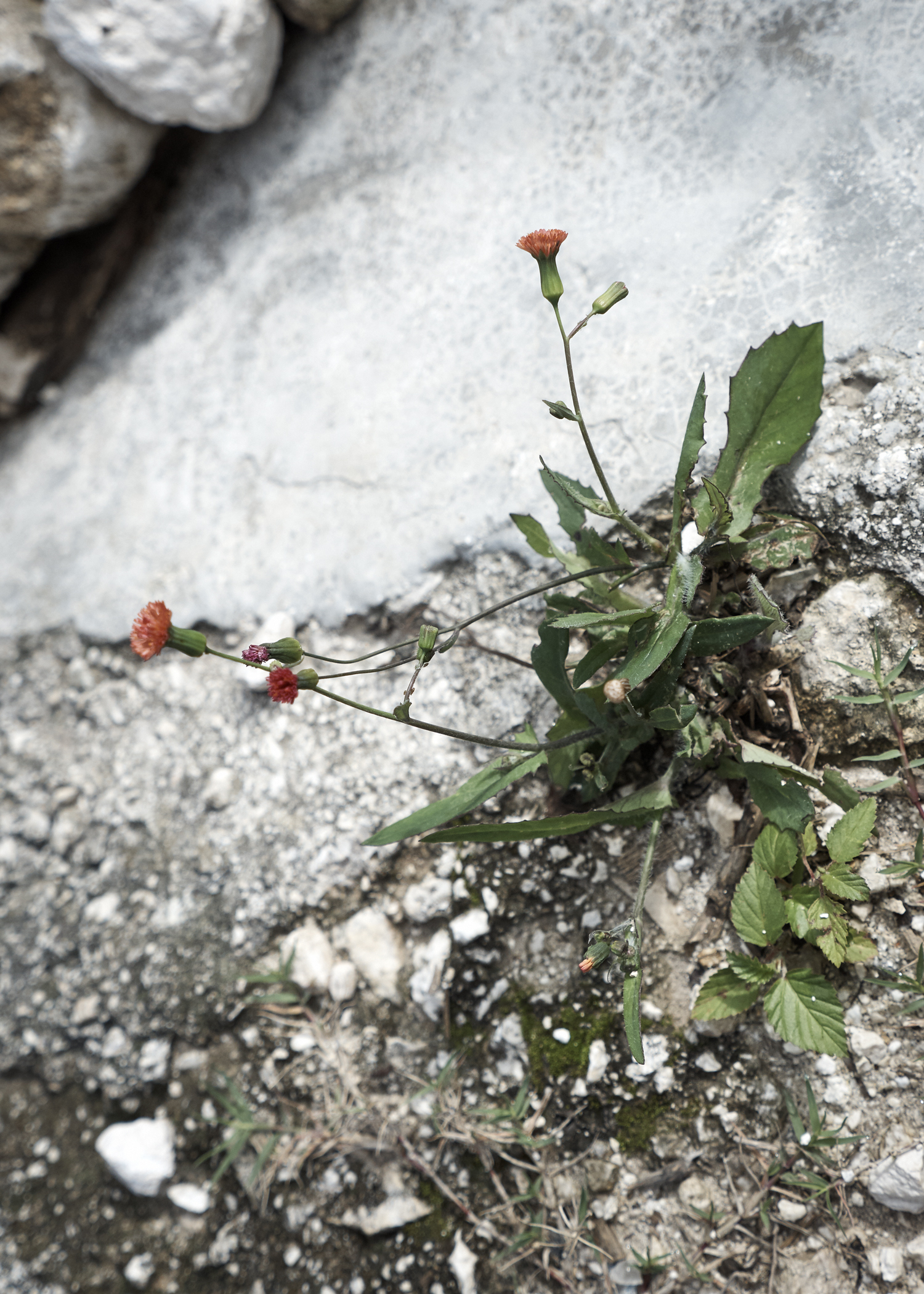
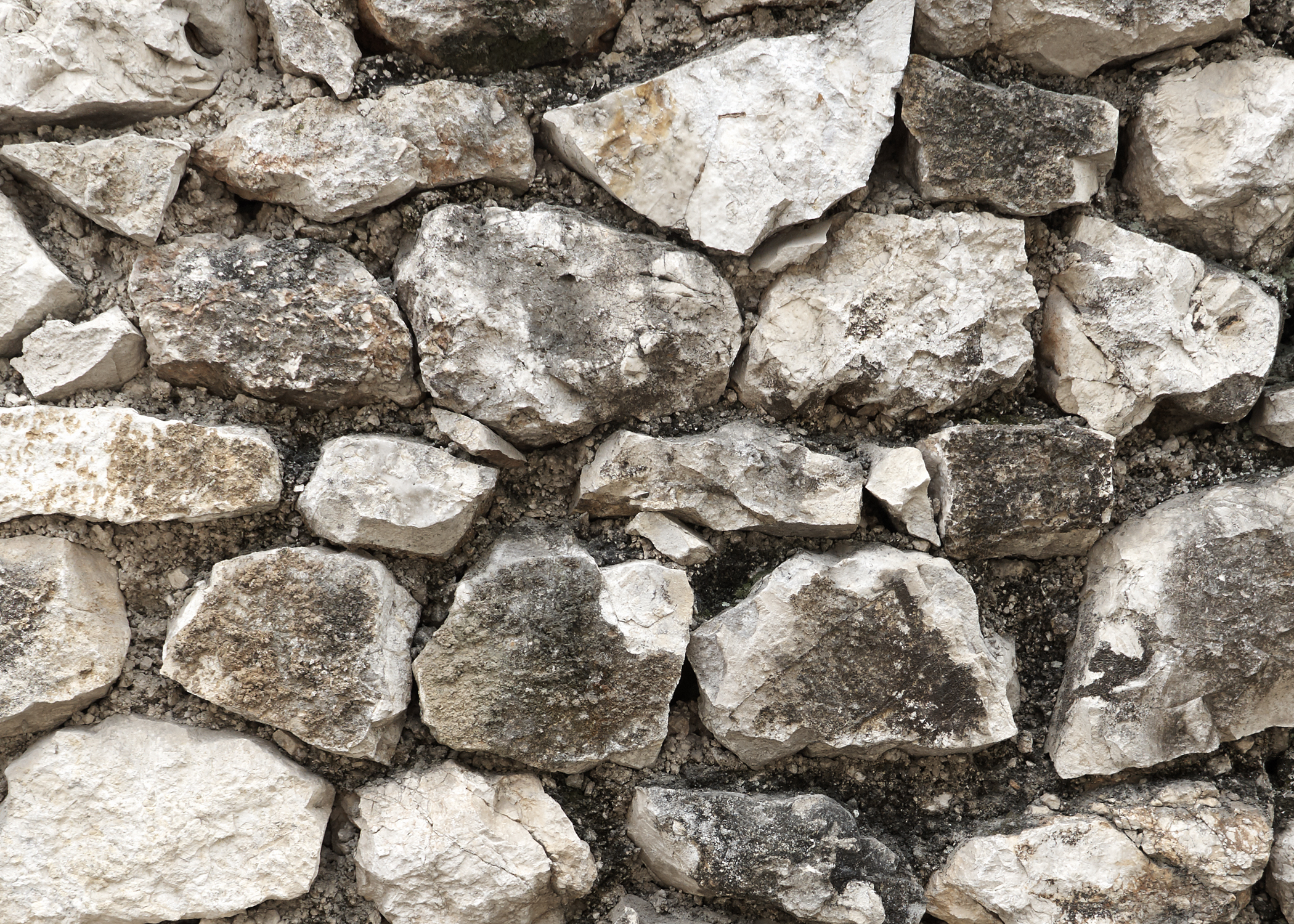
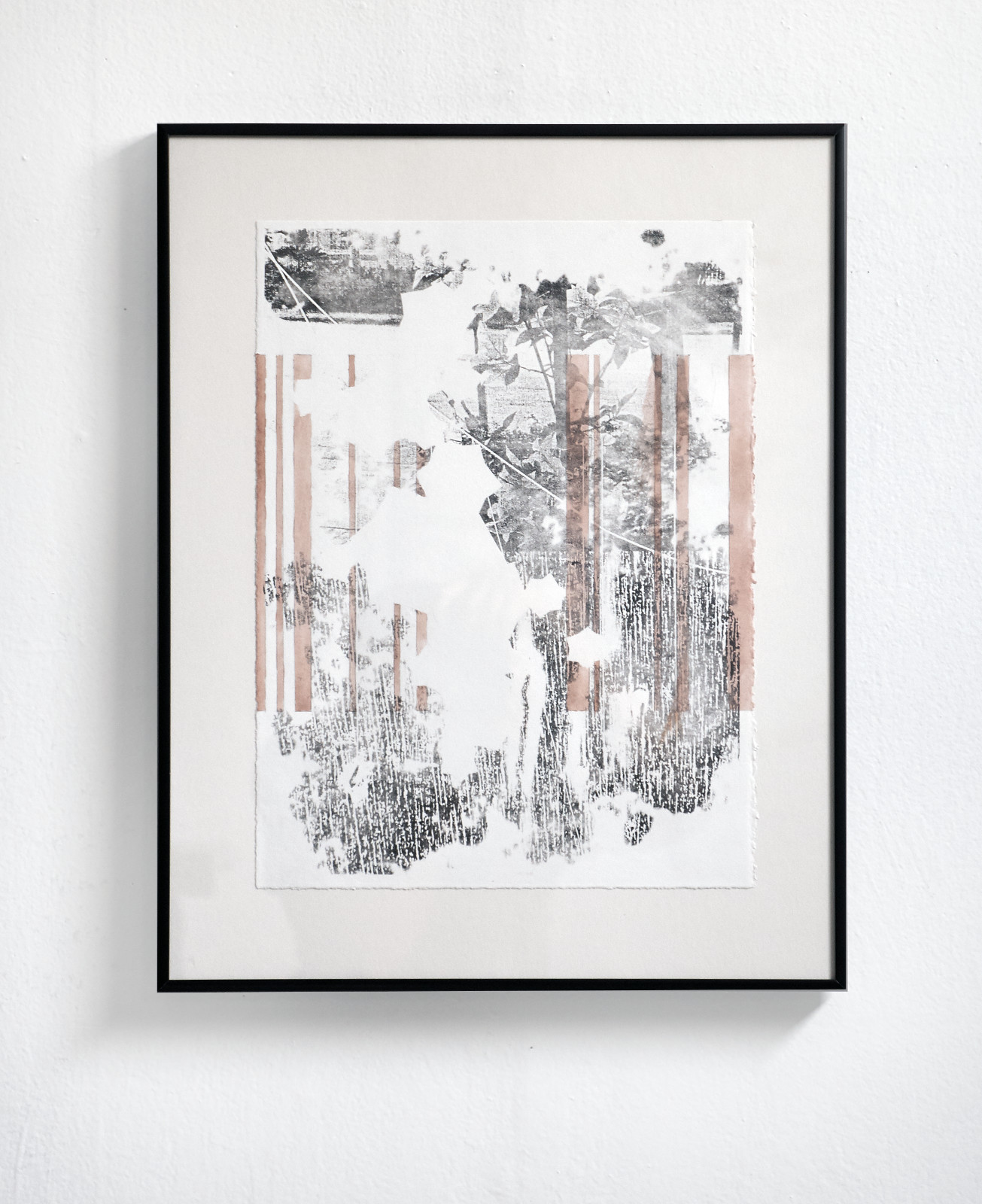


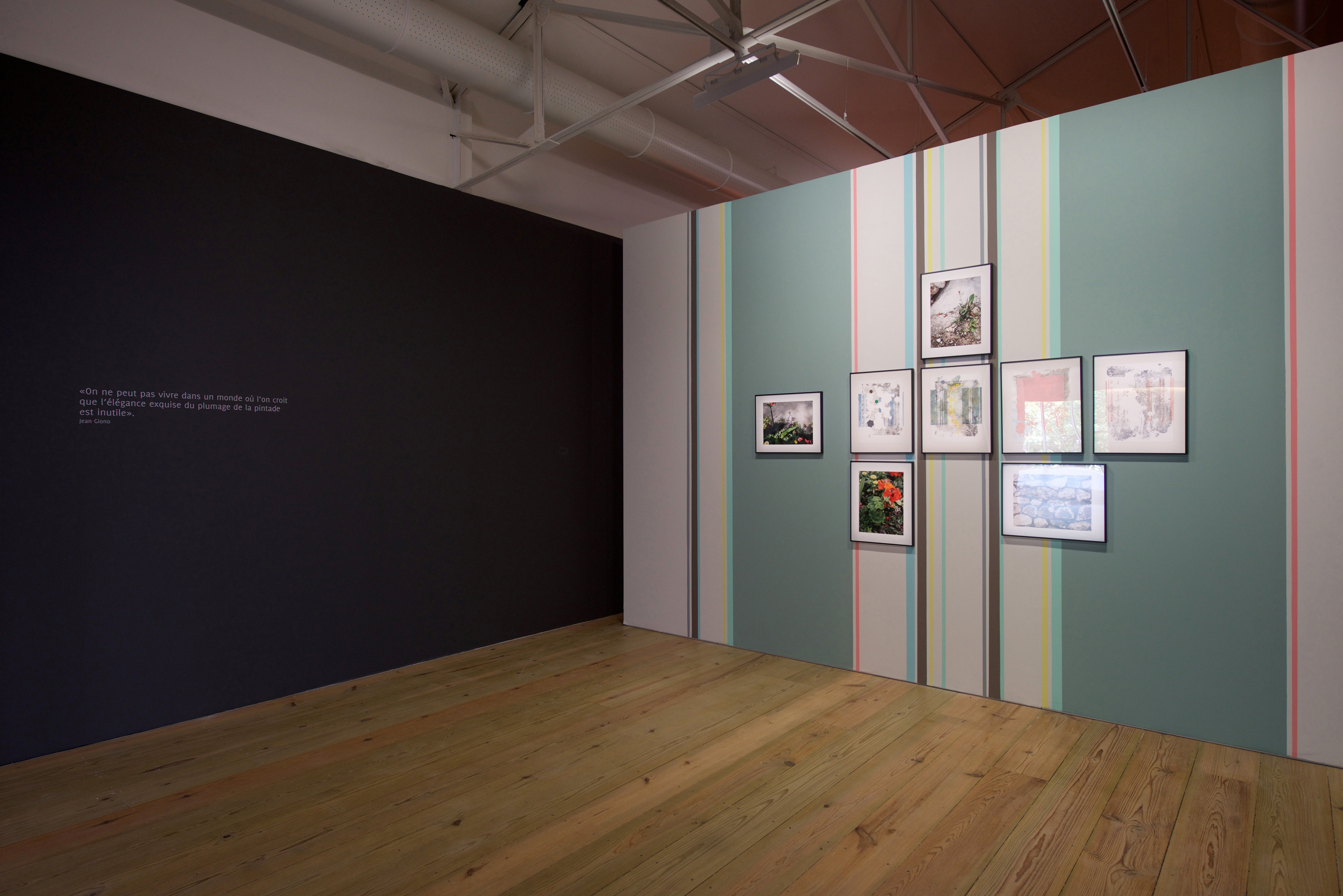
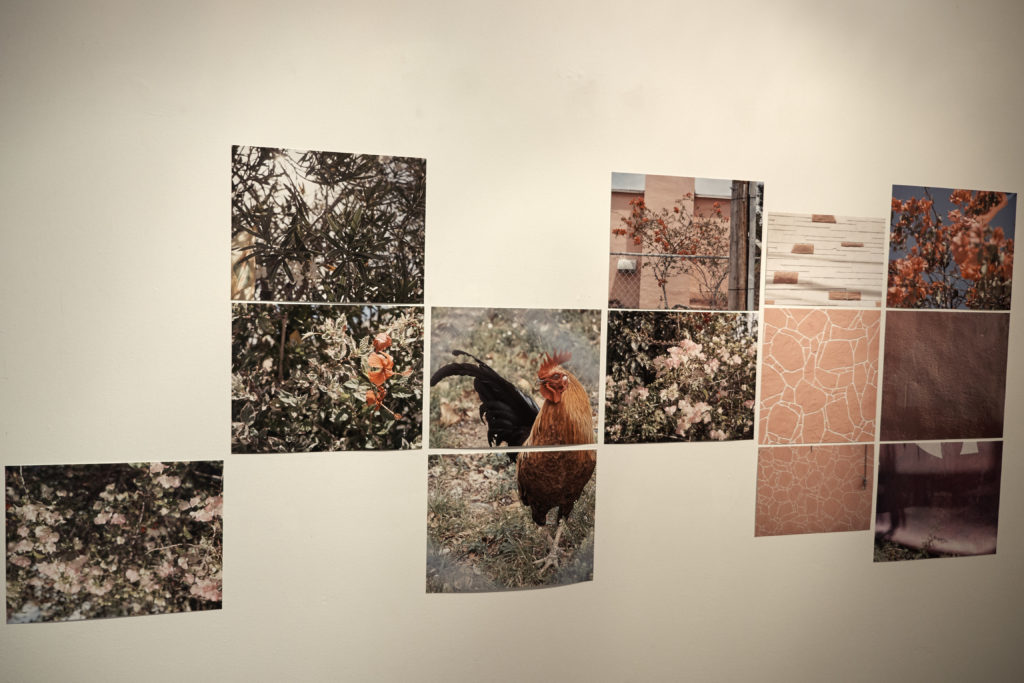
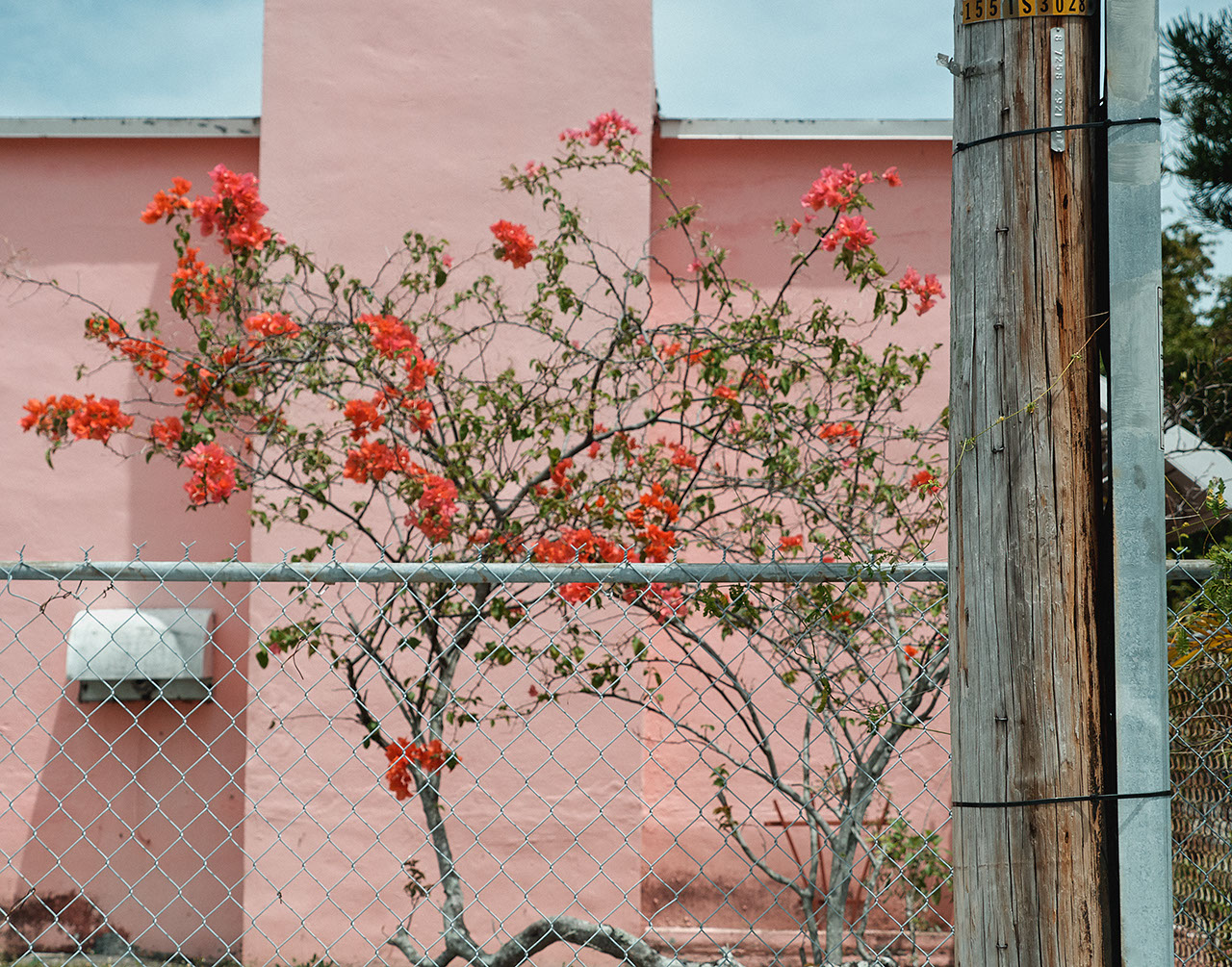
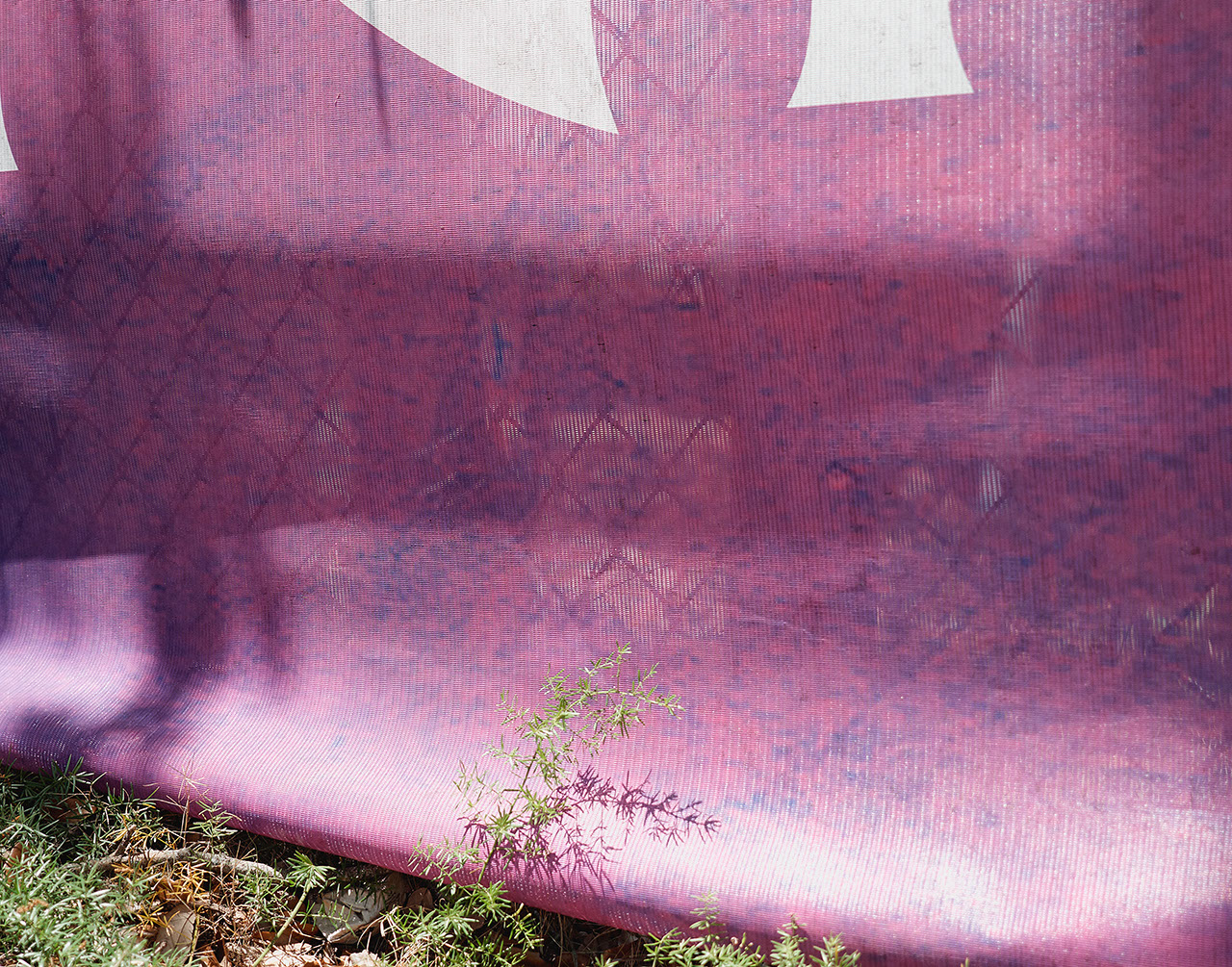
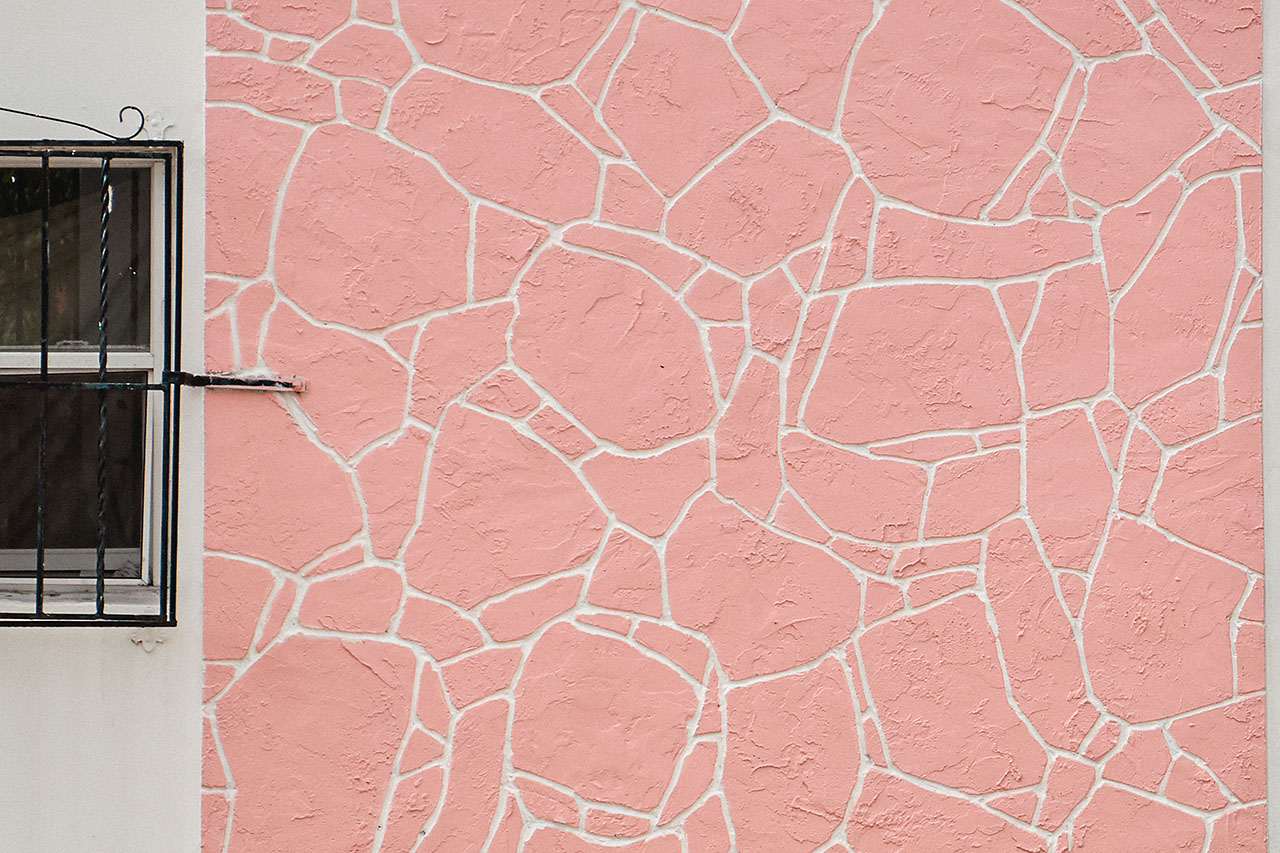

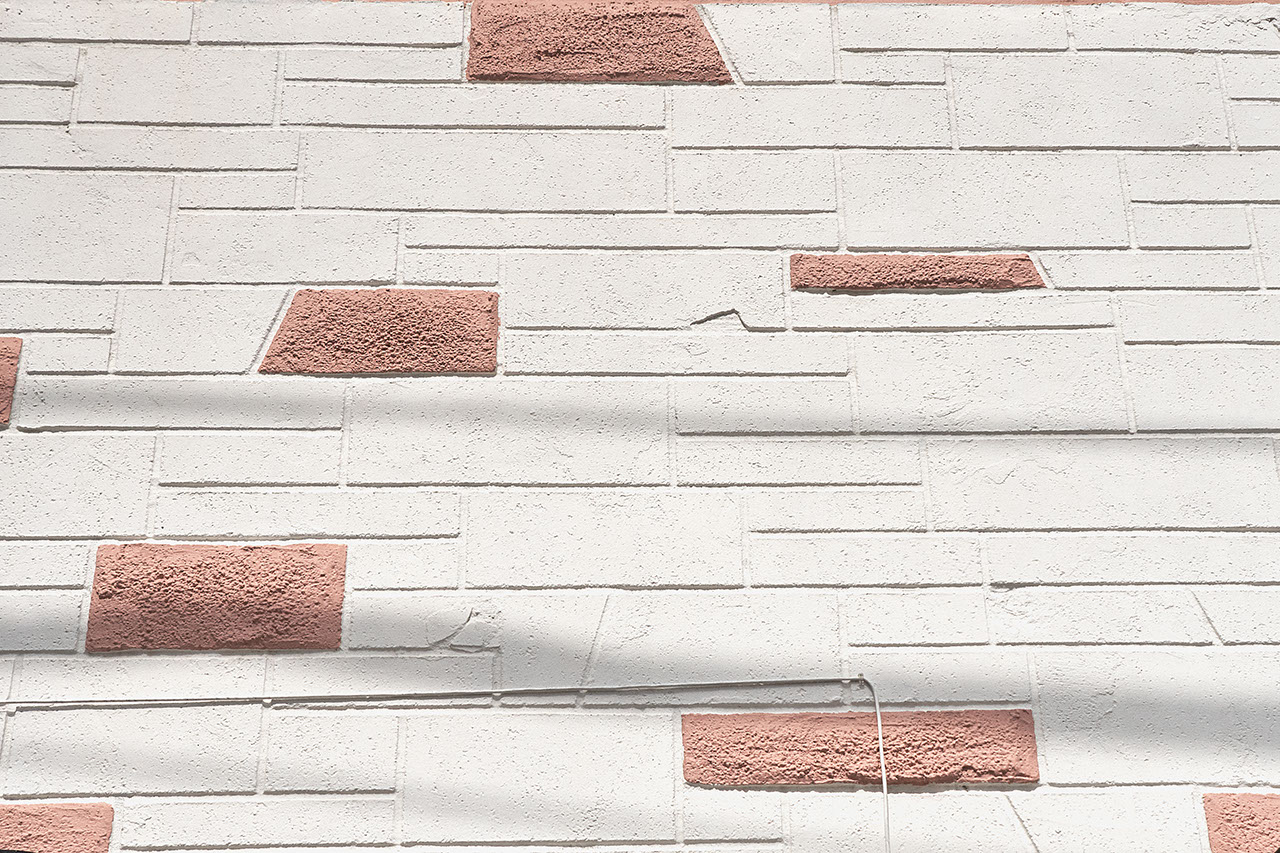
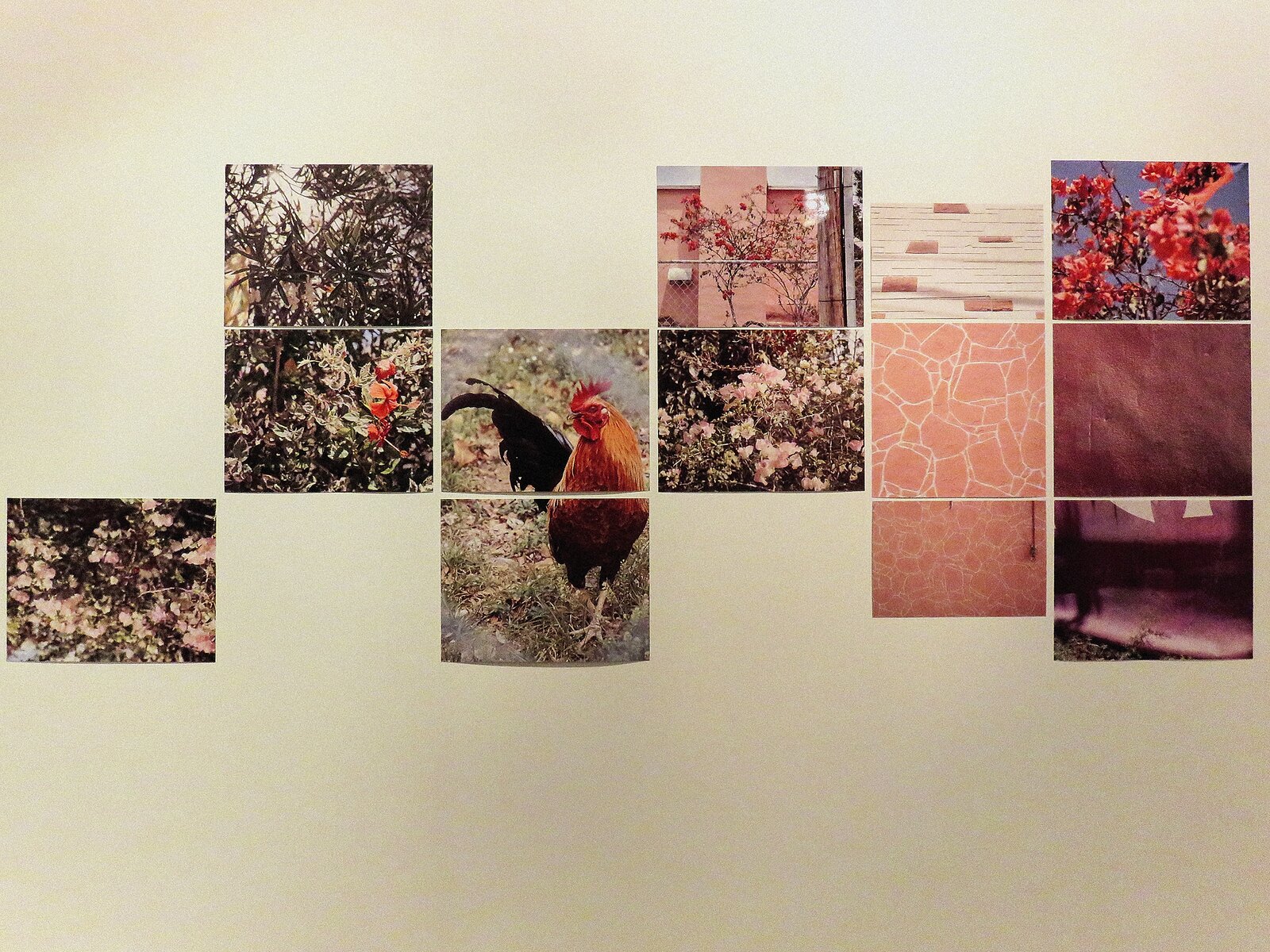
Untitled (Soundings of a cultivated landscape, cocorico) 2017
Thirteen Chromogenic prints – nine 11 x 14 inches, two 8 x 12 inches, one 12 x 12 inches, one 12 x 14 inches.

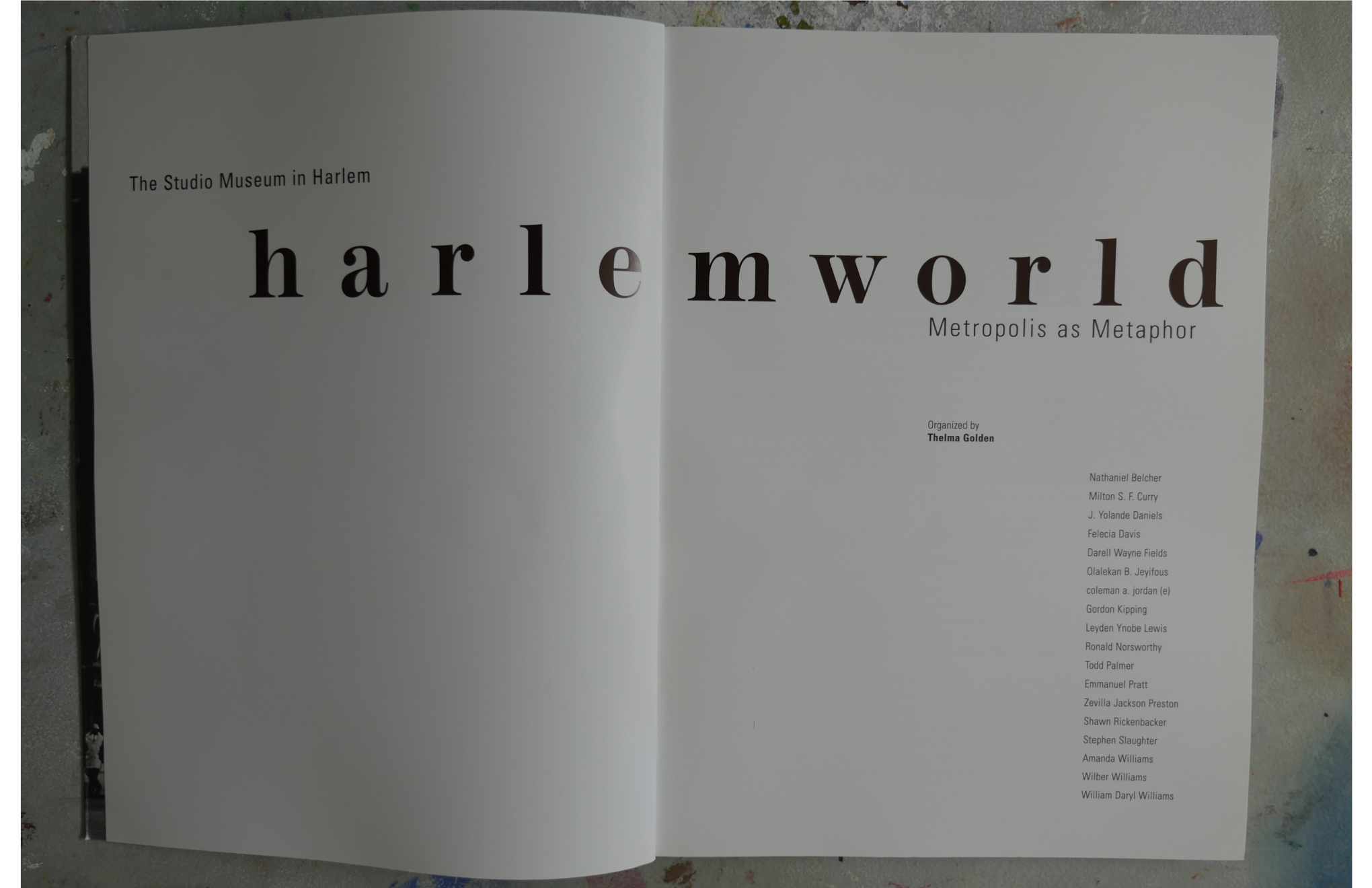
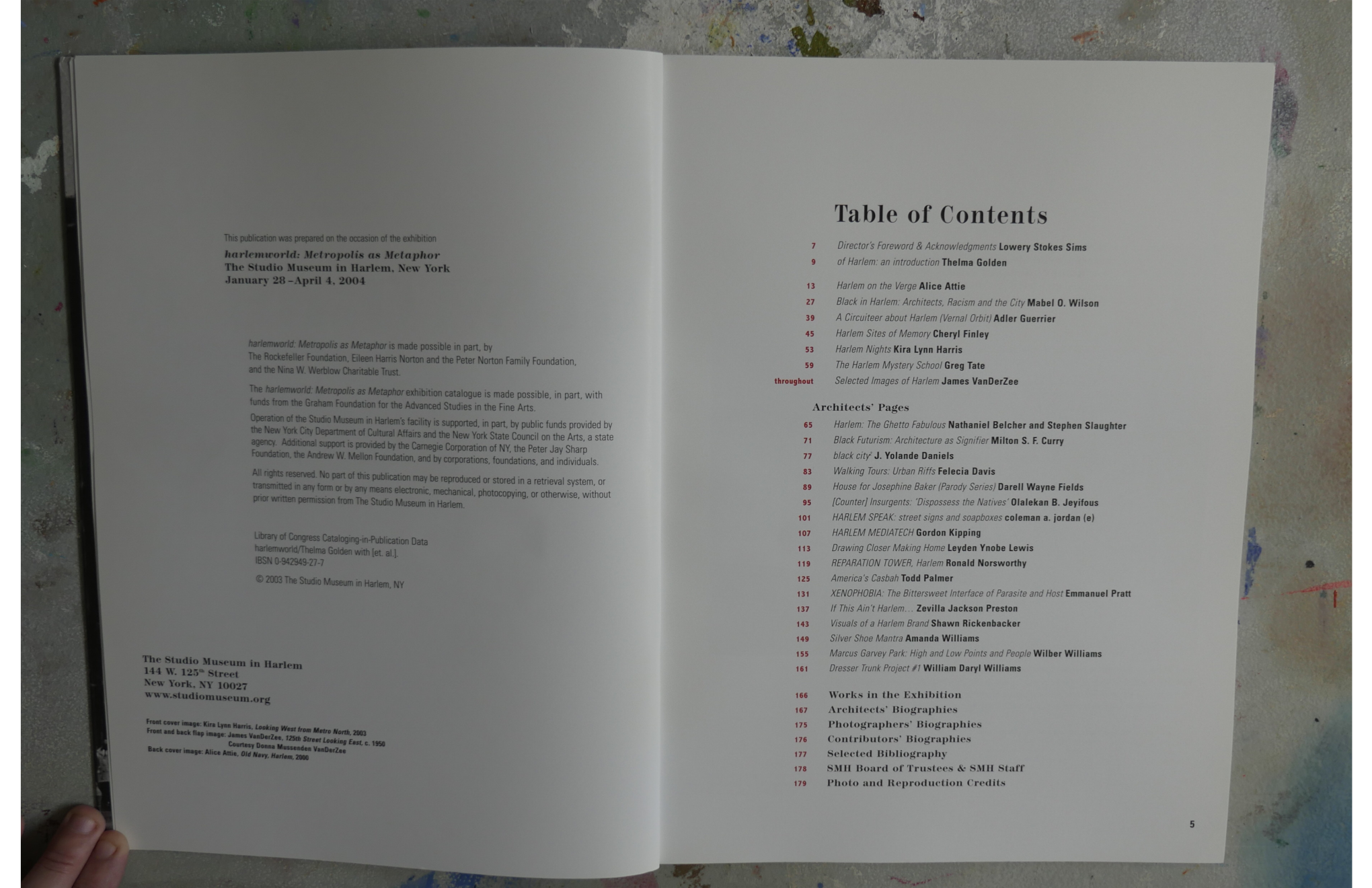
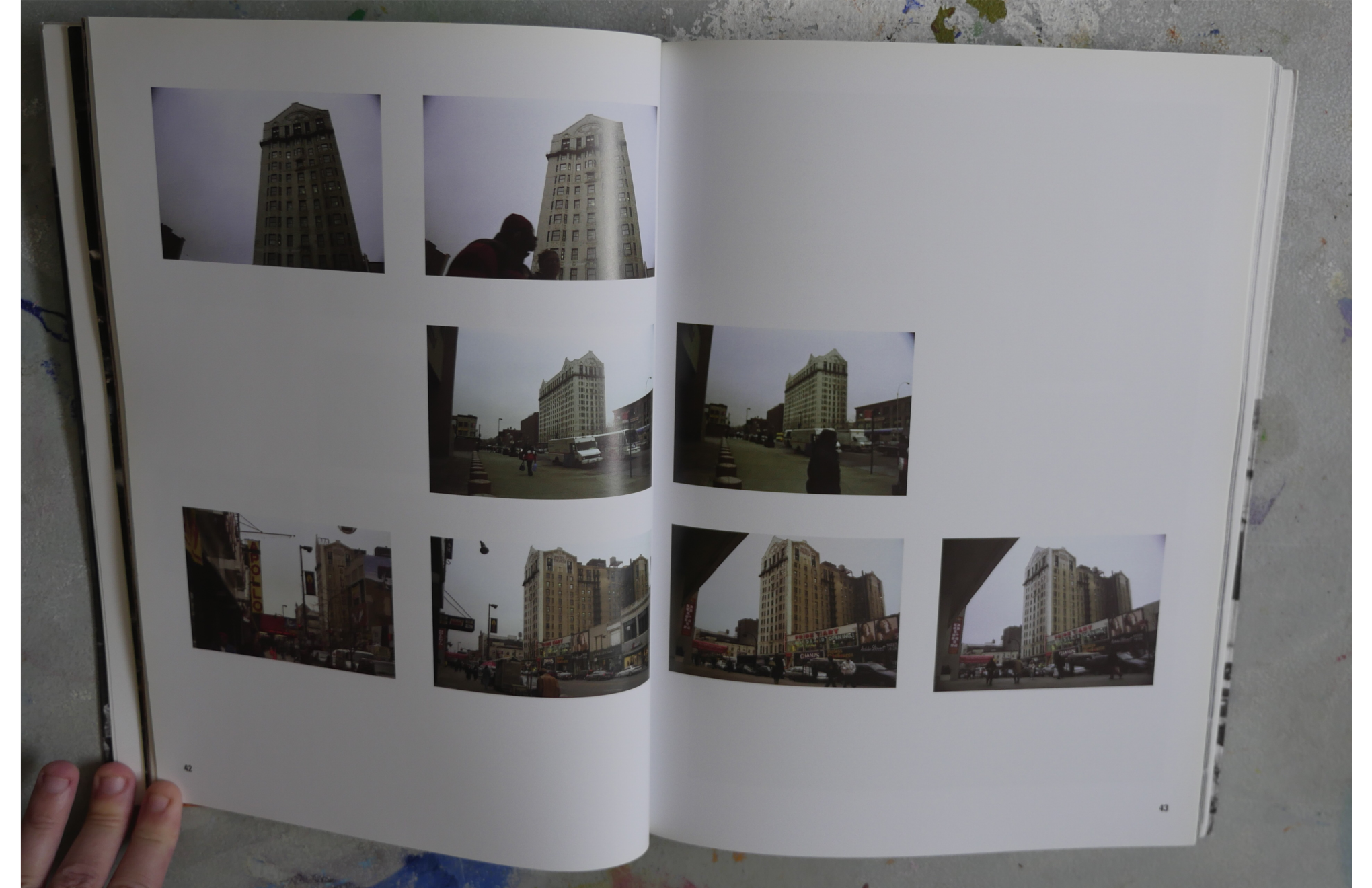
The 20th century delivered a great deal of change for Harlem. Originally developed as a summer alternative to lower Manhattan, Harlem became the center of modern black life in New York City after World War I. During the 1920s, Harlem gained increasing significance as artists, writers, musicians and black intelligencia gathered to create some of the most pivotal work of the last century. After World War II, Harlem entered a period of continued growth along with social and economic challenges that continued for many years to come. This era of transition was marked by efforts toward revitalization that continue today. Likewise, the portrayal of Harlem in pop culture has become increasingly important to the formation of an American identity. From the swinging days of the Cotton Club and Amateur Night at the Apollo Theater to today’s hip-hop music videos, Harlem exists not only as a community of avenues and streets, but also as an active force in world culture.
Organized by Thelma Golden, SMH Chief Curator, harlemworld: Metropolis as Metaphor includes works by eighteen emerging architects that explore the ways that Harlem exists in our imaginations as a site for cultural, territorial, psychological and architectural ideas. The participants were asked to act as informants, and embrace the real and symbolic role that architects have in shaping the texture of a city. harlemworld is a timely project that uses this historic neighborhood as a point of departure to study, discuss and critique the ever-changing face of Harlem. While these projects initiate in Harlem, they move beyond its geographic boundaries to look at similar issues in other urban contexts around the world.
The exhibitions themes are as expansive and diverse as Harlem itself. The contributing architects come from a variety of academic and professional backgrounds. Some of them work in academia, and private or public practices, while others work outside of the formal realm of architecture and bring their training to various media and disciplines. They were chosen for their inspired embrace of multi-media practices and for the creativity and rigor evidenced in their previous endeavors. The architects involved not only bring a multitude of perspectives and approaches to architecture, but they also forge strong connections between visual art, anthropology, sociology, economics, history, technology and popular culture through their practices.
Along with the buildings and structures that help to define Harlem, photography has played a pivotal role in documenting and understanding this neighborhood. Known for his iconic photography of Harlem, James VanDerZee documented the diversity and history of this famous community. harlemworld includes new bodies of work by three contemporary photographers Alice Attie, Adler Guerrier and Kira Lynn Harris, who individually depict an aspect of Harlem’s present as a counterpoint to the works envisioned by the architects.
As context is often critical to understanding contemporary visual culture, all of the exhibitions at the Studio Museum are affected socially, culturally and even aesthetically by being located in Harlem. For this exhibition, the words Harlem and world are joined together with the subtitle Metropolis as Metaphor because this exhibition seeks to understand Harlem beyond the bricks and mortar and territorial designations of the streets and avenues that define Harlem, USA. And as such, it provides a powerful lens to not only re-examine our community but to understand the black urban experience worldwide. harlemworld allows the Studio Museum, which has transformed along with Harlem to offer the institution as a place to engage in the larger cultural, political and intellectual dialogue about this evolving community.
harlemworld: metropolis as metaphor (press release).
Winter 2004: January 28 – April 4
If walls could talk, there would be a distinct murmur in Harlem. Brownstones, churches, and apartments would whisper about old New York’s gentry. Storefronts would reminisce about the times when Harlemites Shim-shamed and Lindy-hopped. An arcaded ballroom would speak witness to the assassination of an activist. And what edifice among us would keep his mouth shut about the looming era of regentrification? Yes, there’s a lot to talk about.
Known for standing on the cutting edge of curatorial practice, Thelma Golden has put her ear to the wall to organize harlemworld. Golden has invited over a dozen of today’s the most compelling black architects to present ideas and proposals for multiple sites around Harlem. These practitioners will contemplate Harlem as a cultural, architectural, territorial, psychological, historic, and economic site. harlemworld will not be limited a presentation of these projects only through traditional model and plan form, but also through photography, video, digital media, and installation.
The exhibition also will include a photography component, with work by James VanDerZee, Alice Attie, Kira Lynn Harris and Adler Guerrier.
Participating Architects
Nathaniel Belcher/ Steven Slaughter
Milton S.F. Curry
J. Yolande Daniels
Felicia Davis
Darell Wayne Fields
Zevilla Jackson Preston
Olalekan B. Jeyifous
Coleman A. Jordan
Gordon Kipping
Leyden Lewis
Ronald L. Norsworthy, II
Todd Palmer
Emmanuel Pratt
Shawn Rickenbacker
Amanda Williams
Wiber Williams
William Williams
Participating Photographers
Adler Guerrier
Kira Lynn Harris
Alice Attie
James VanDerZee
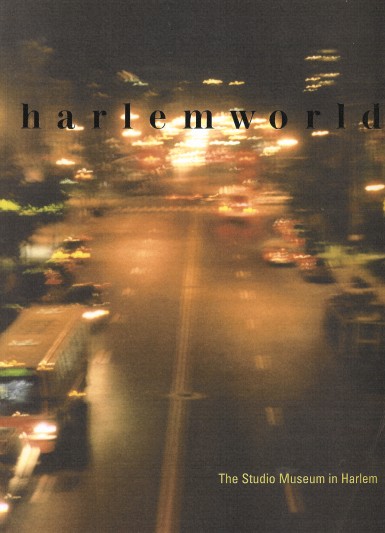
Exhibition catalogue
Publisher: The Studio Museum in Harlem
Author: Thelma Golden
Title: harlemworld: Metropolis as Metaphor
Edition: Volume I
Pages: 120+ pages w/4 page cover (flaps)
All color
Print Run: 5,000
size: 9 x 12 upright
Territories of distribution: USA
Language the catalogue will be printed in: English
Each architect has designed 2 double page spreads for the catalogue, which will also include essays by exhibition curator Thelma Golden, Greg Tate, Cheryl Finley, Mable O. Wilson, and Susan Cahan.
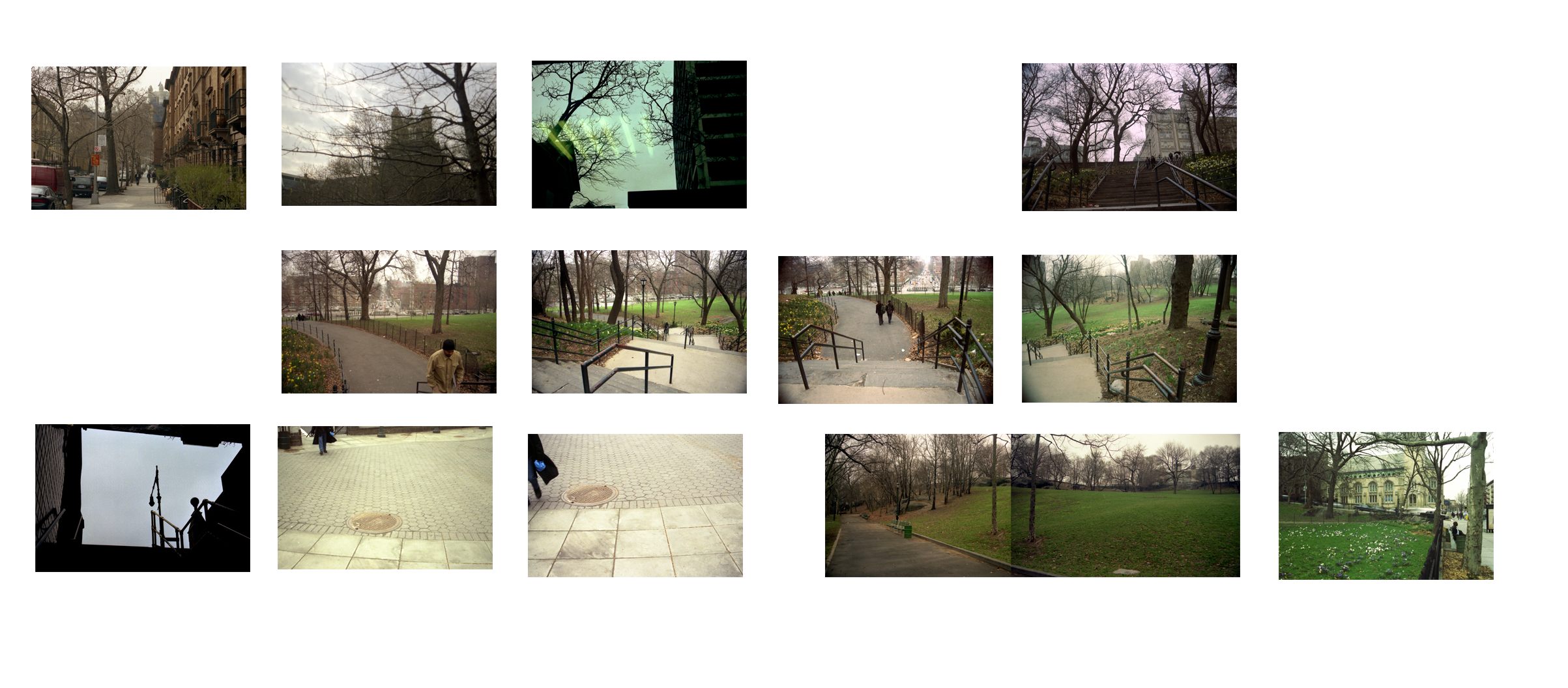
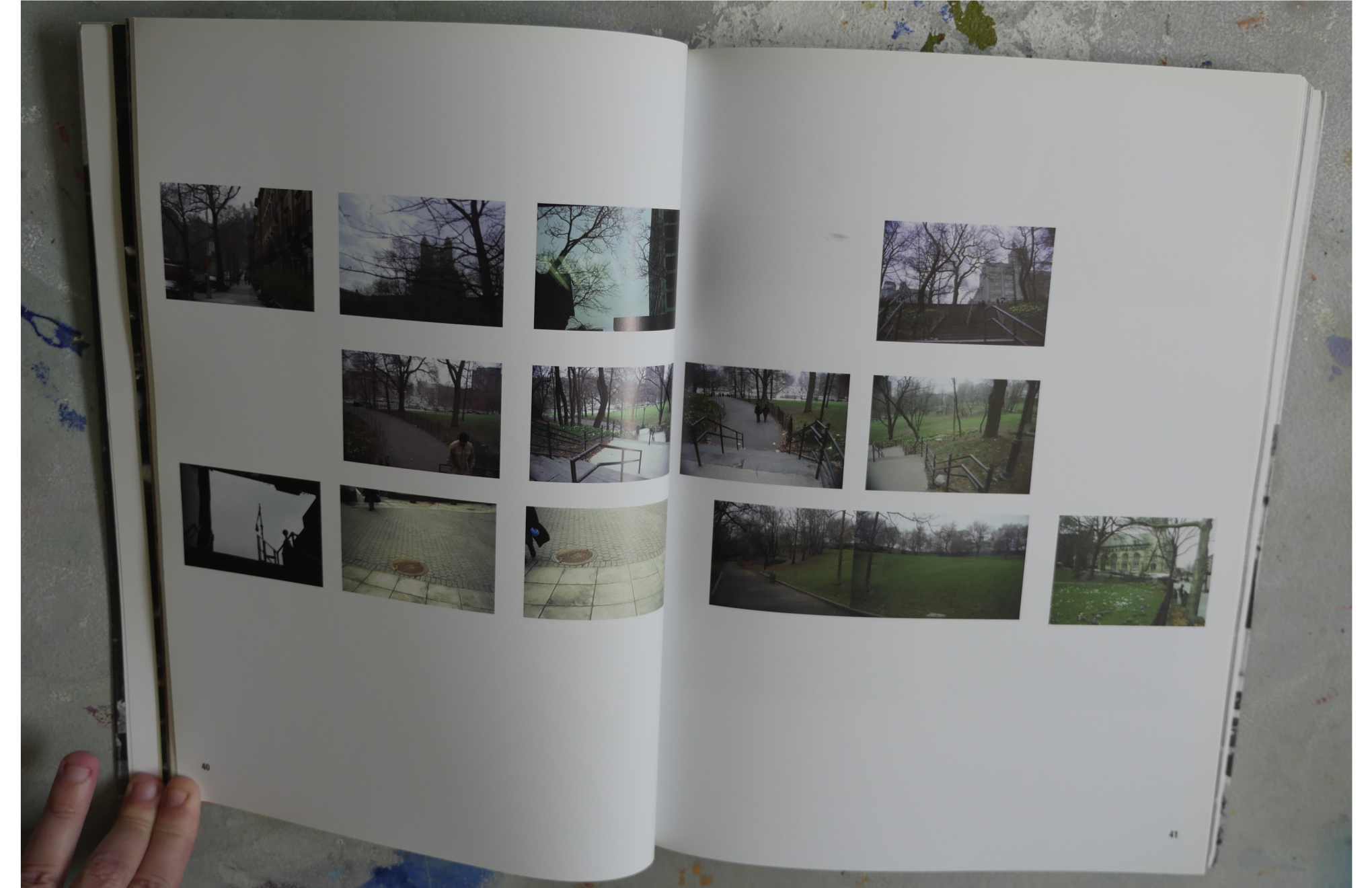
Untitled(A Circuiteer about Harlem, St. Nicolas Park) 2003 Thirteen Chromogenic prints; 16 x 20 inches(12) and 16 x 35 inches(1).
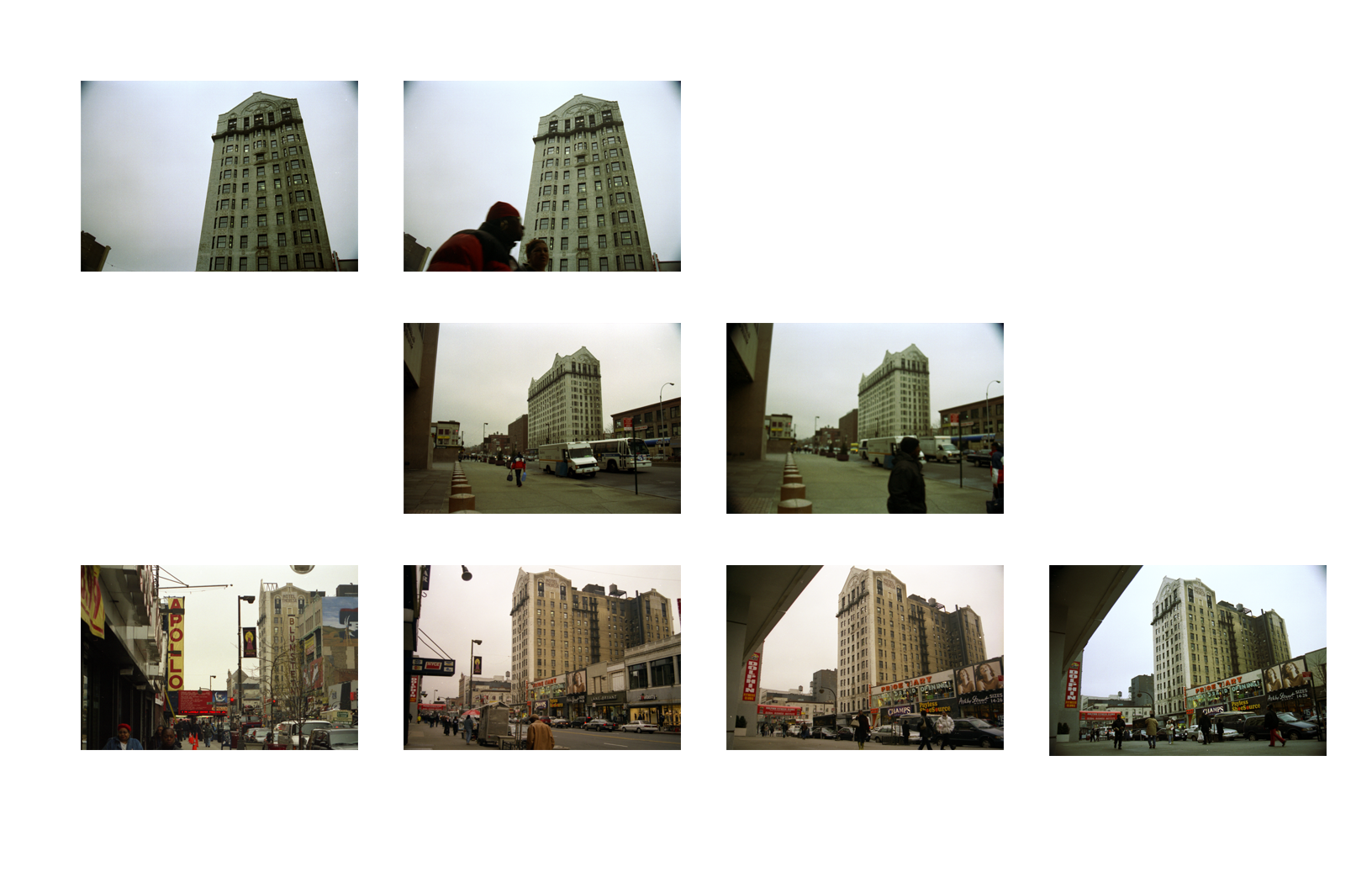
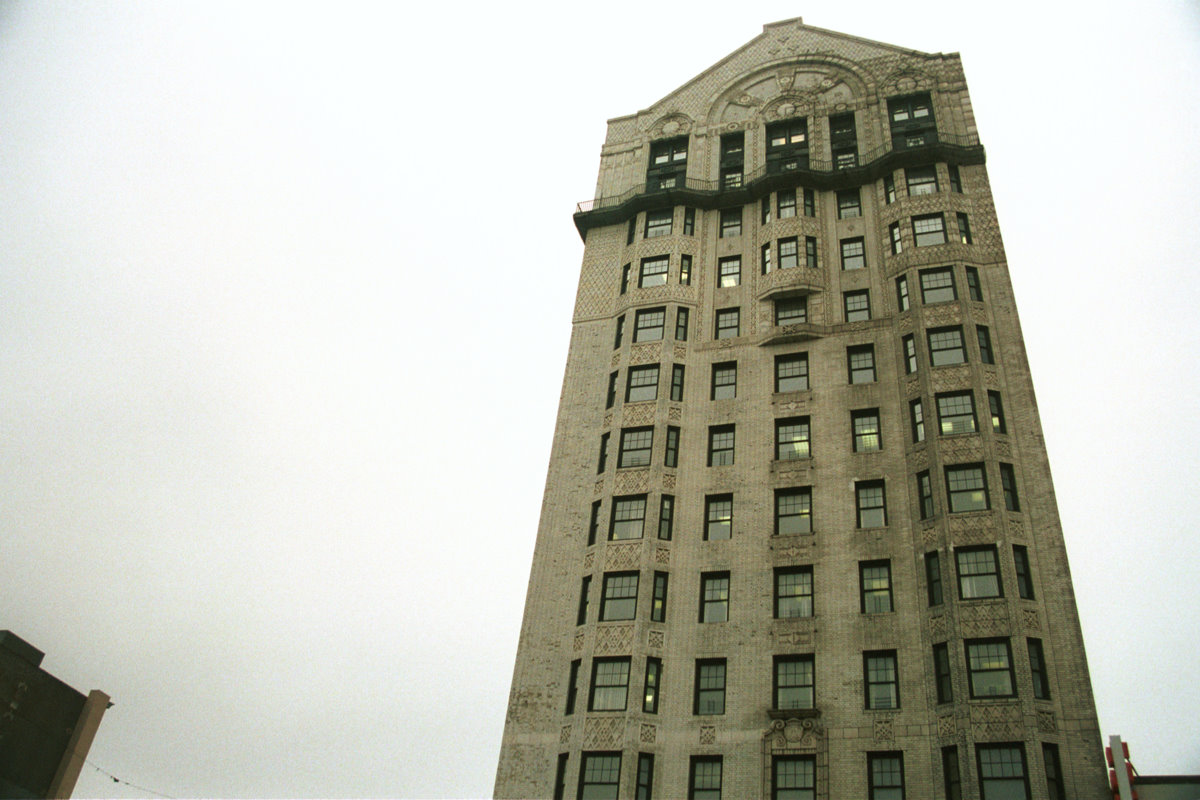
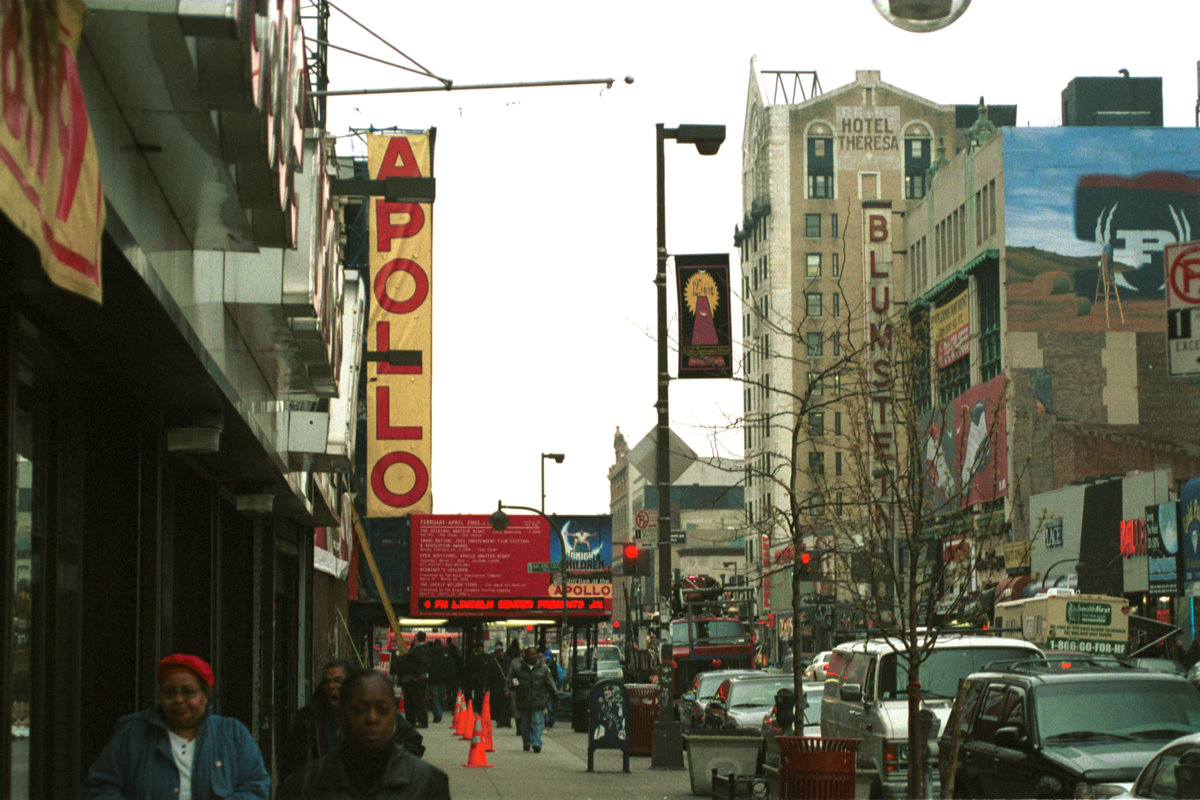
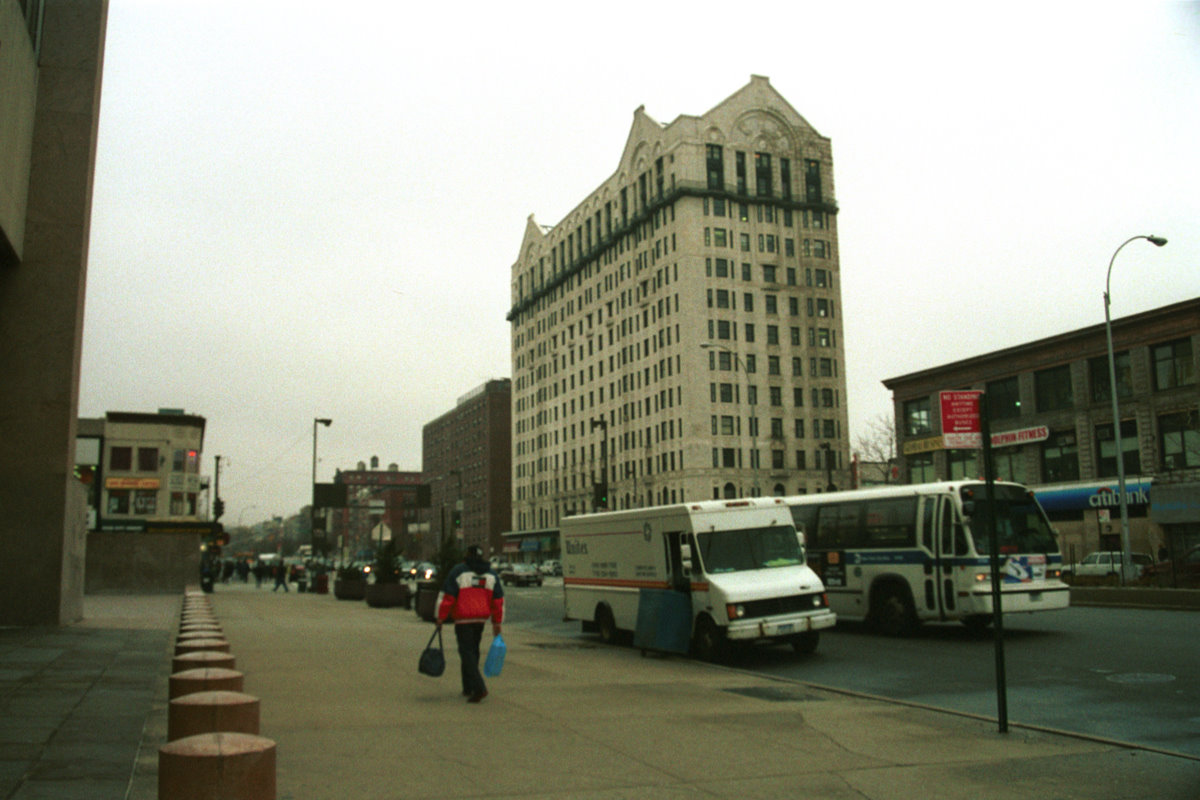
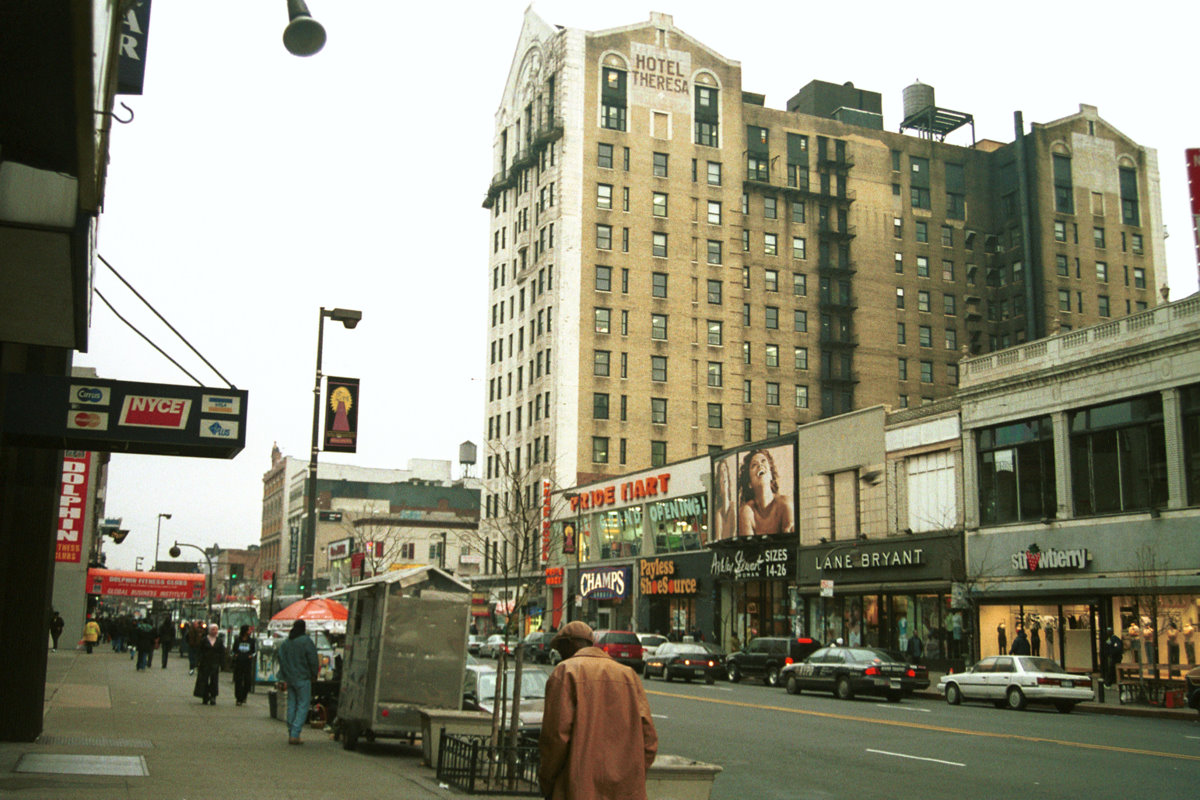
Untitled(A Circuiteer about Harlem, Hotel Theresa) 2003 Eight 16 x 20 inches chromogenic prints.
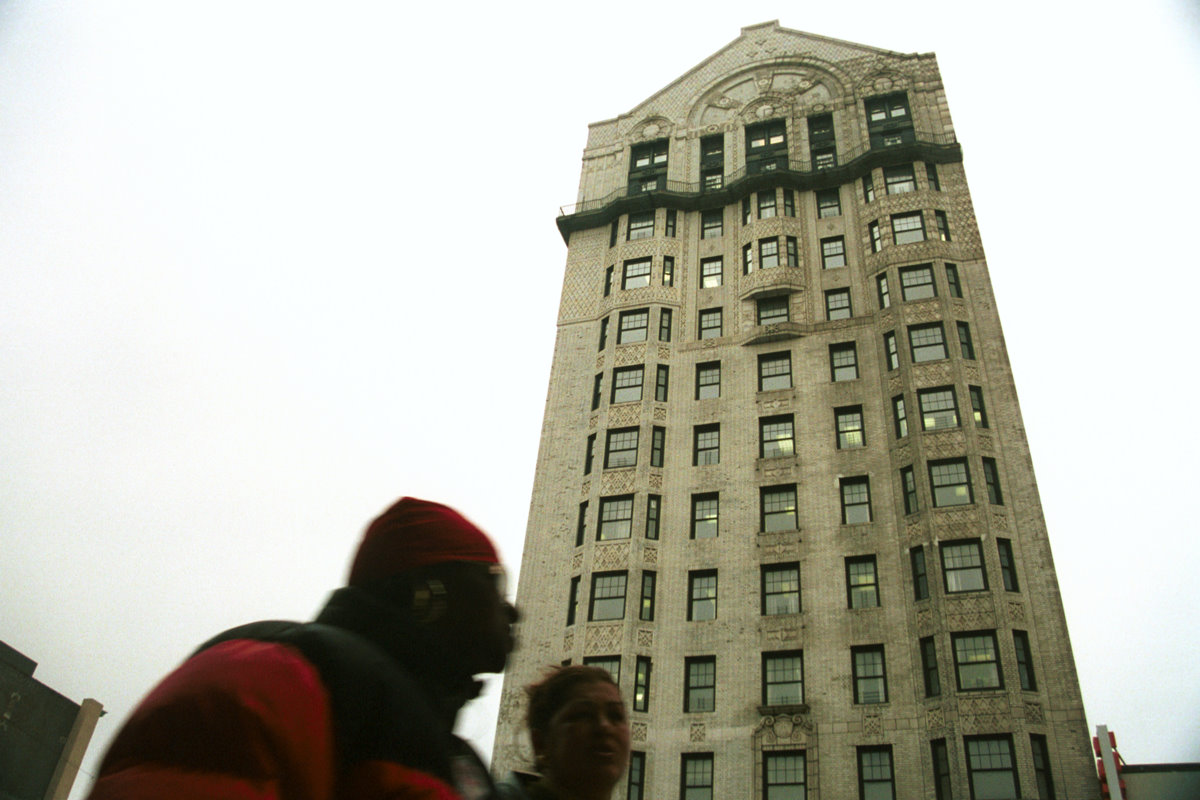


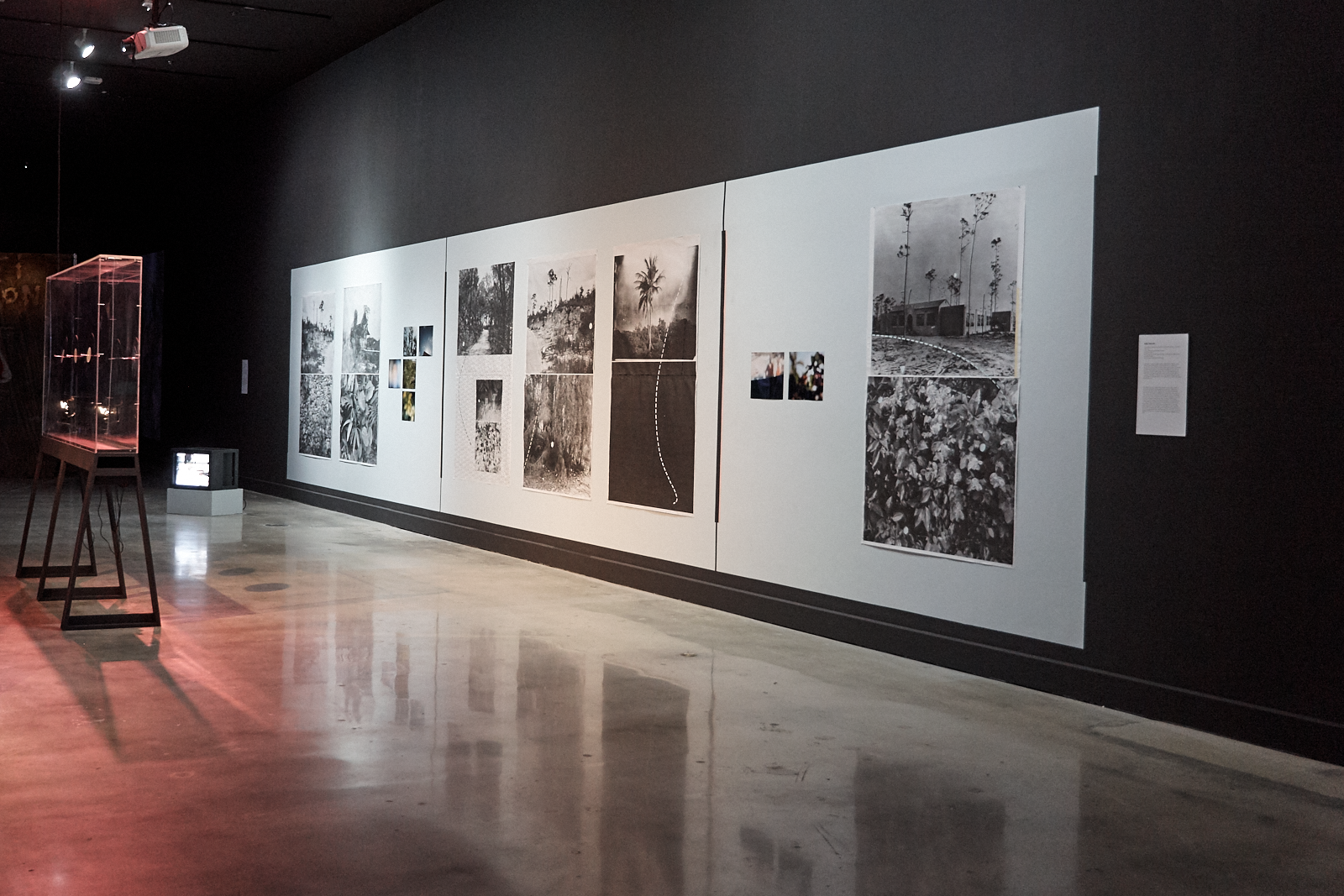
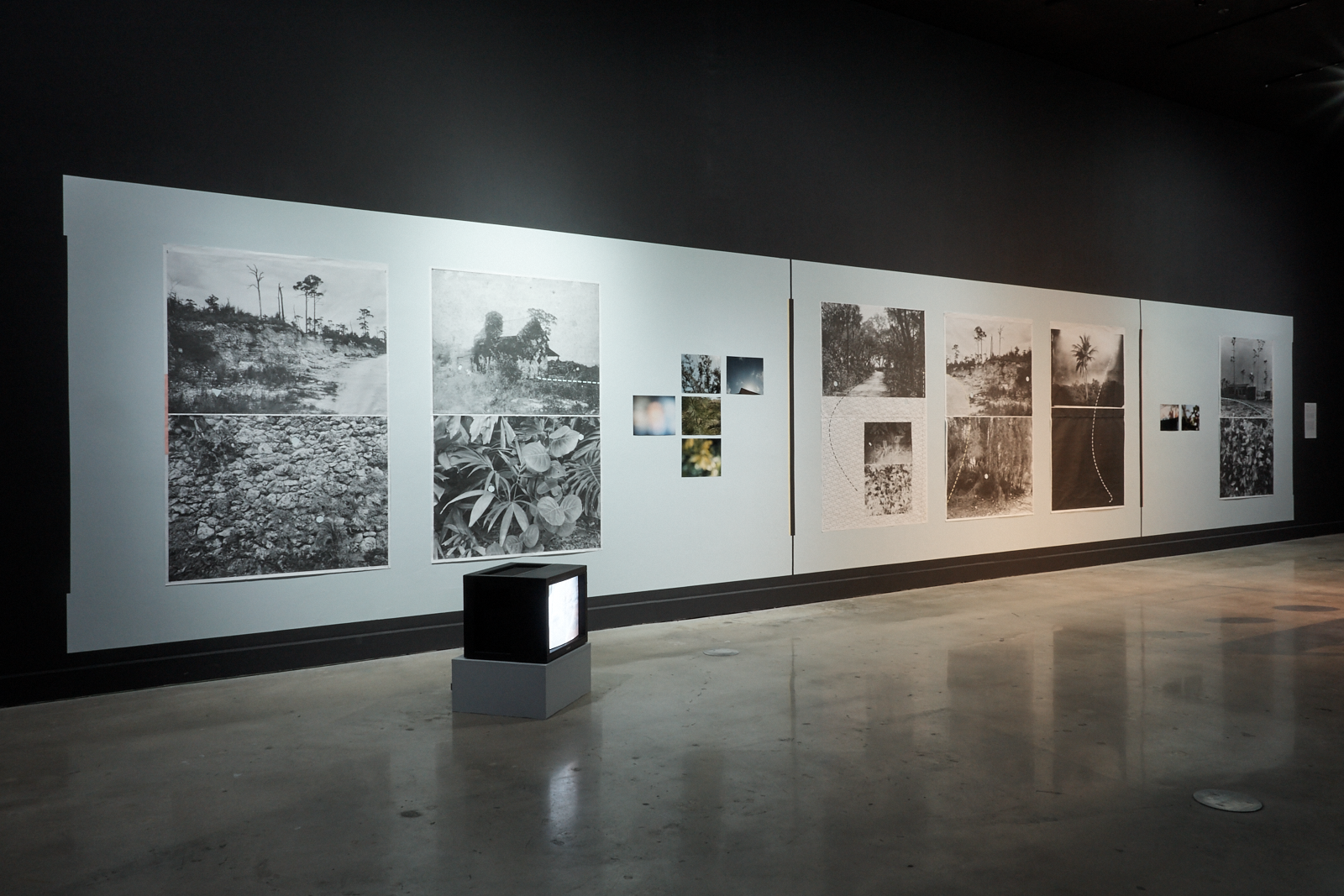
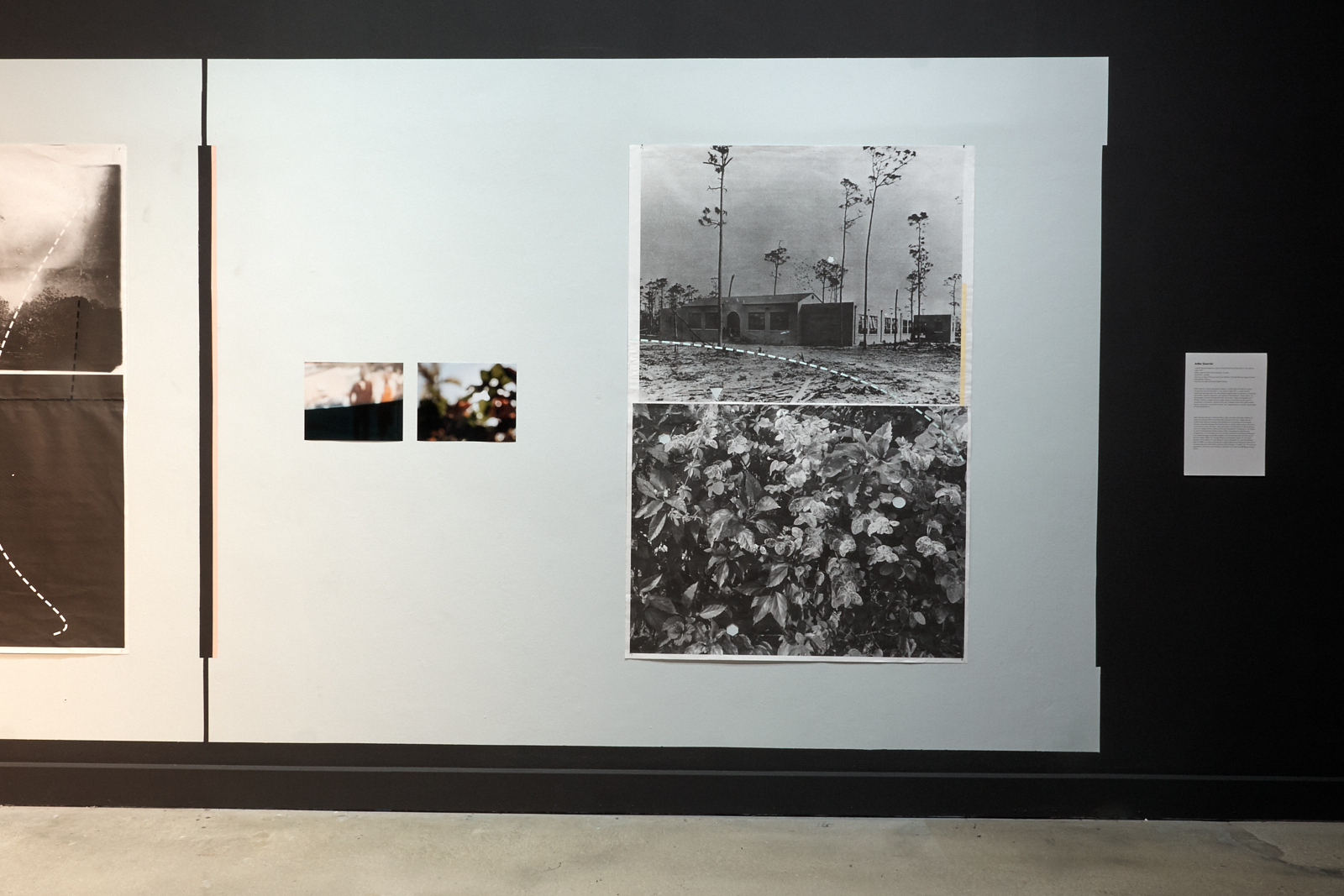
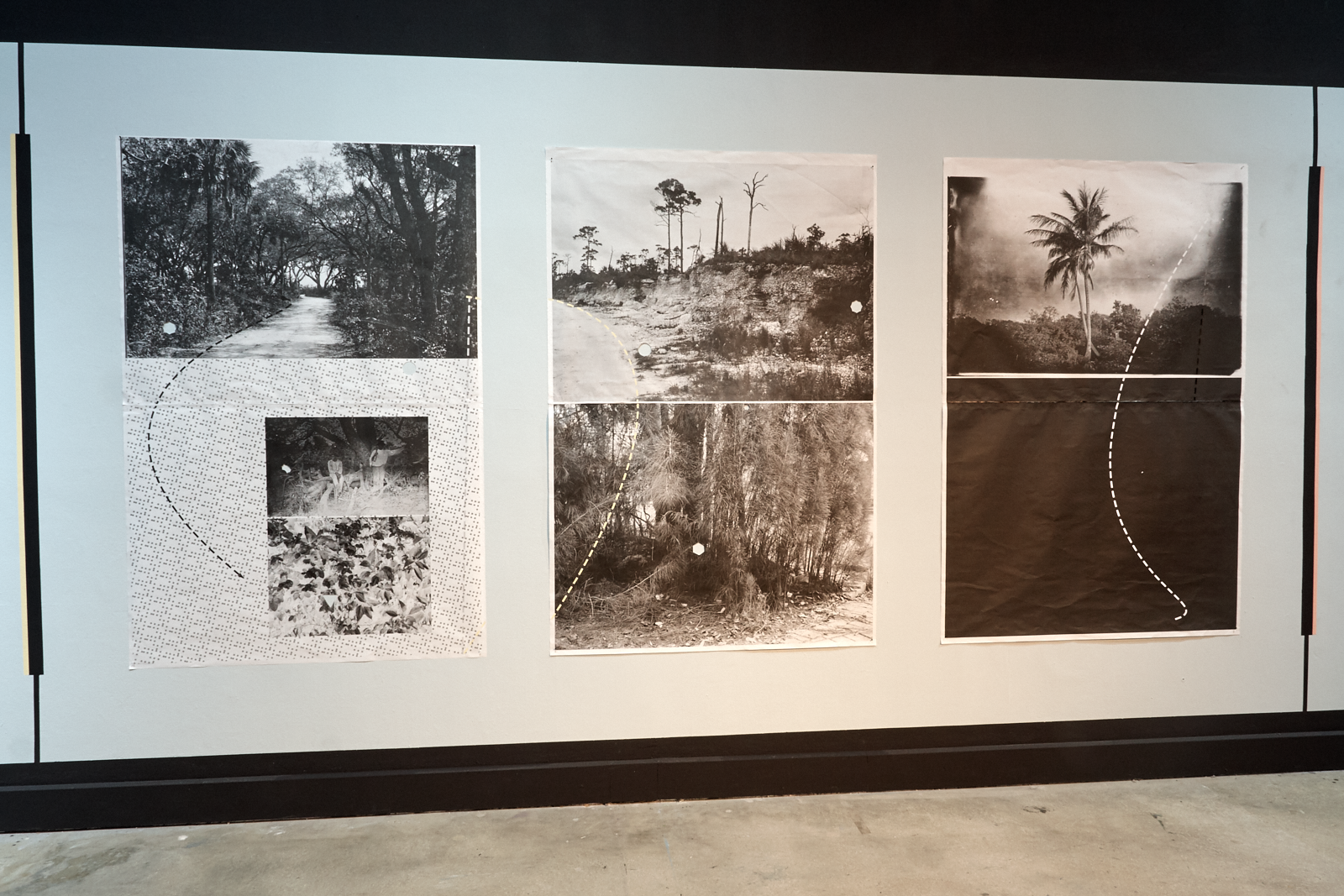
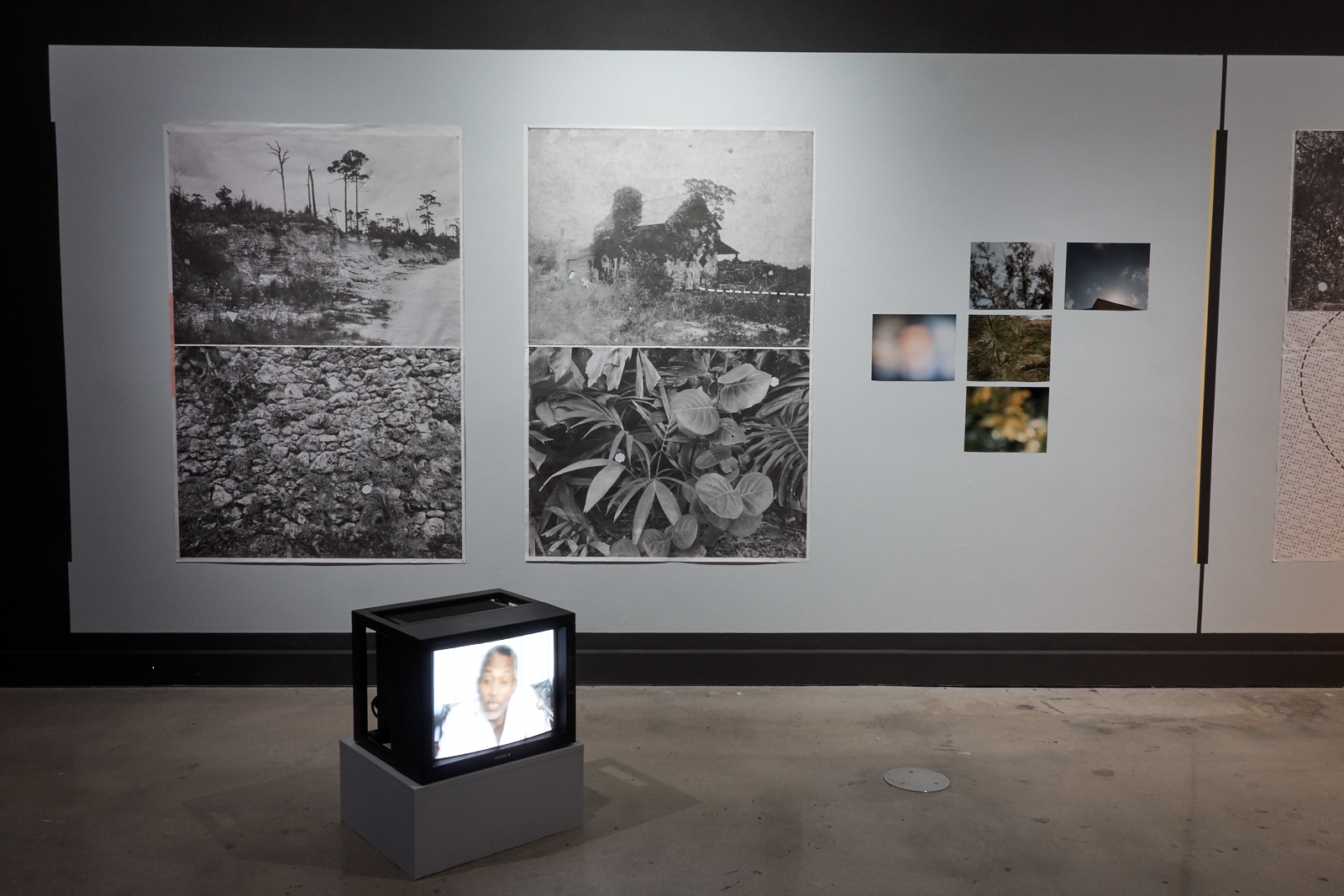
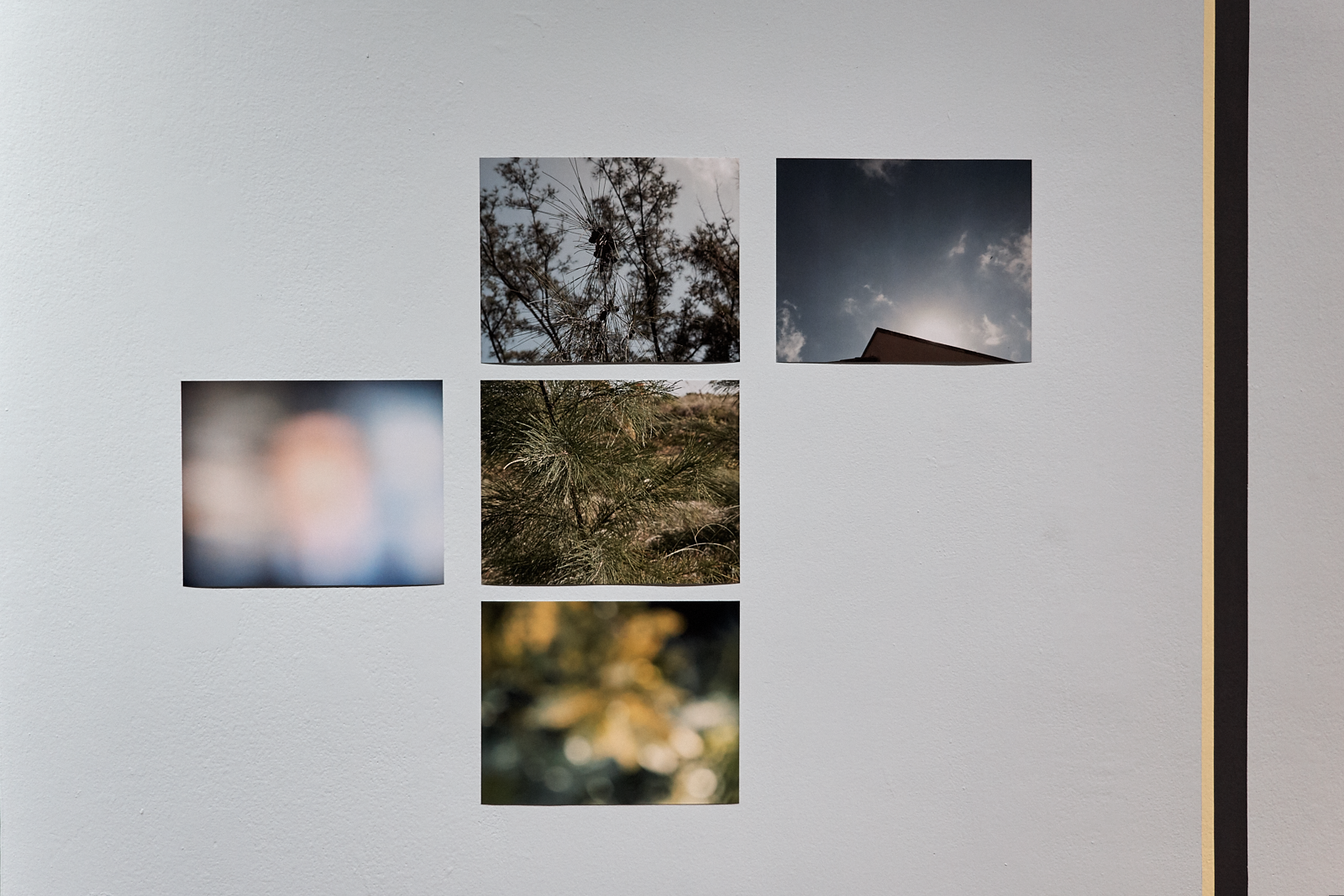
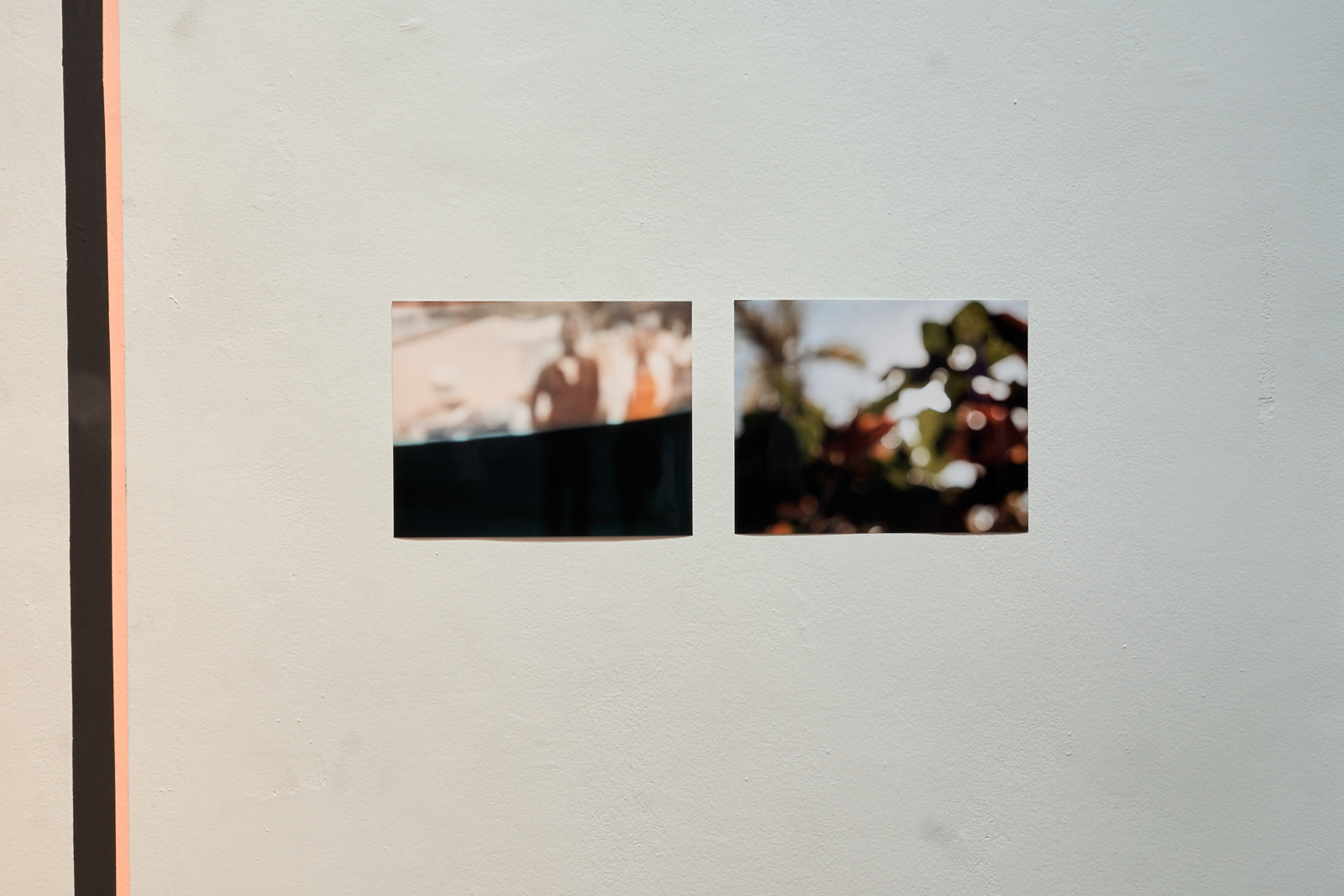
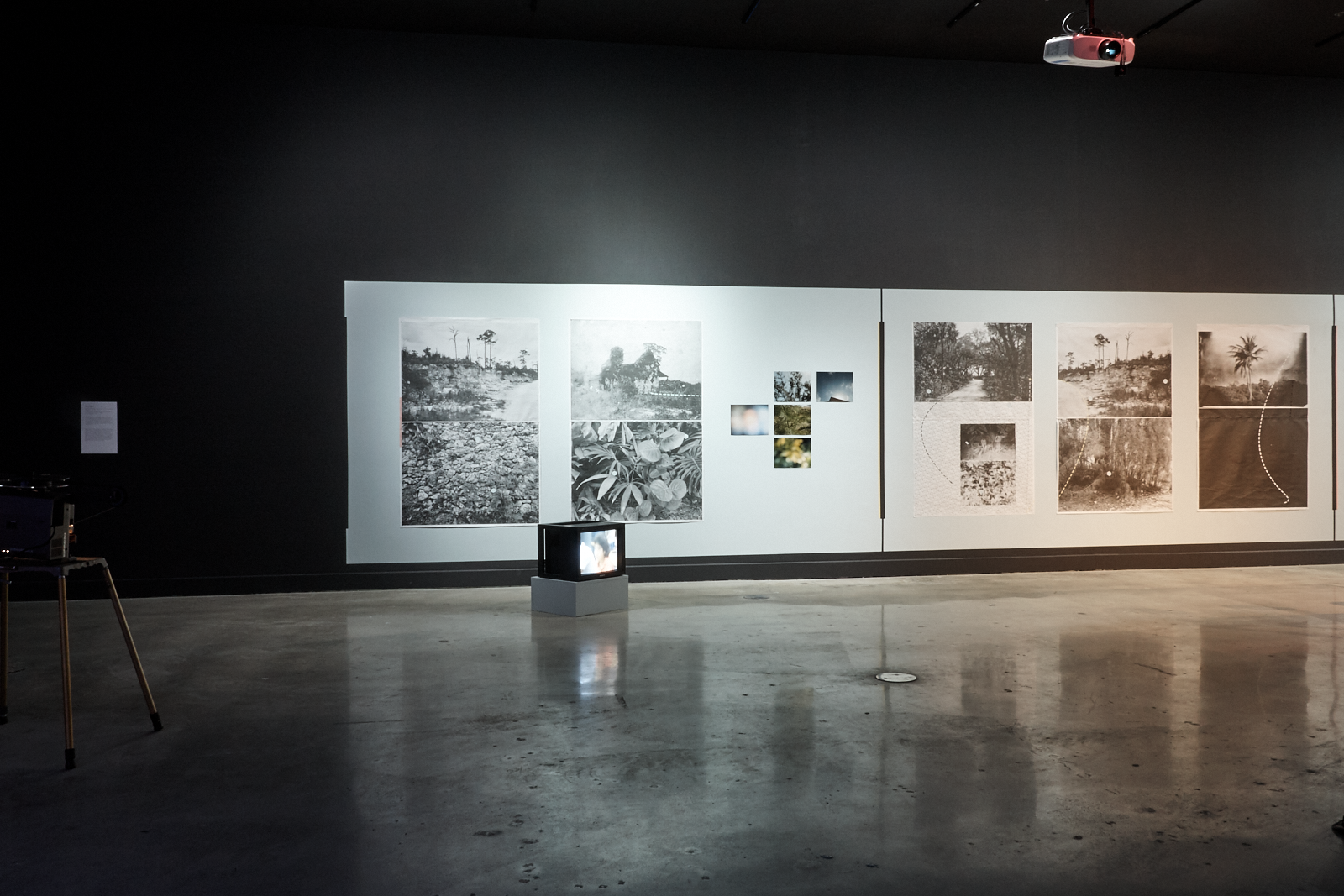

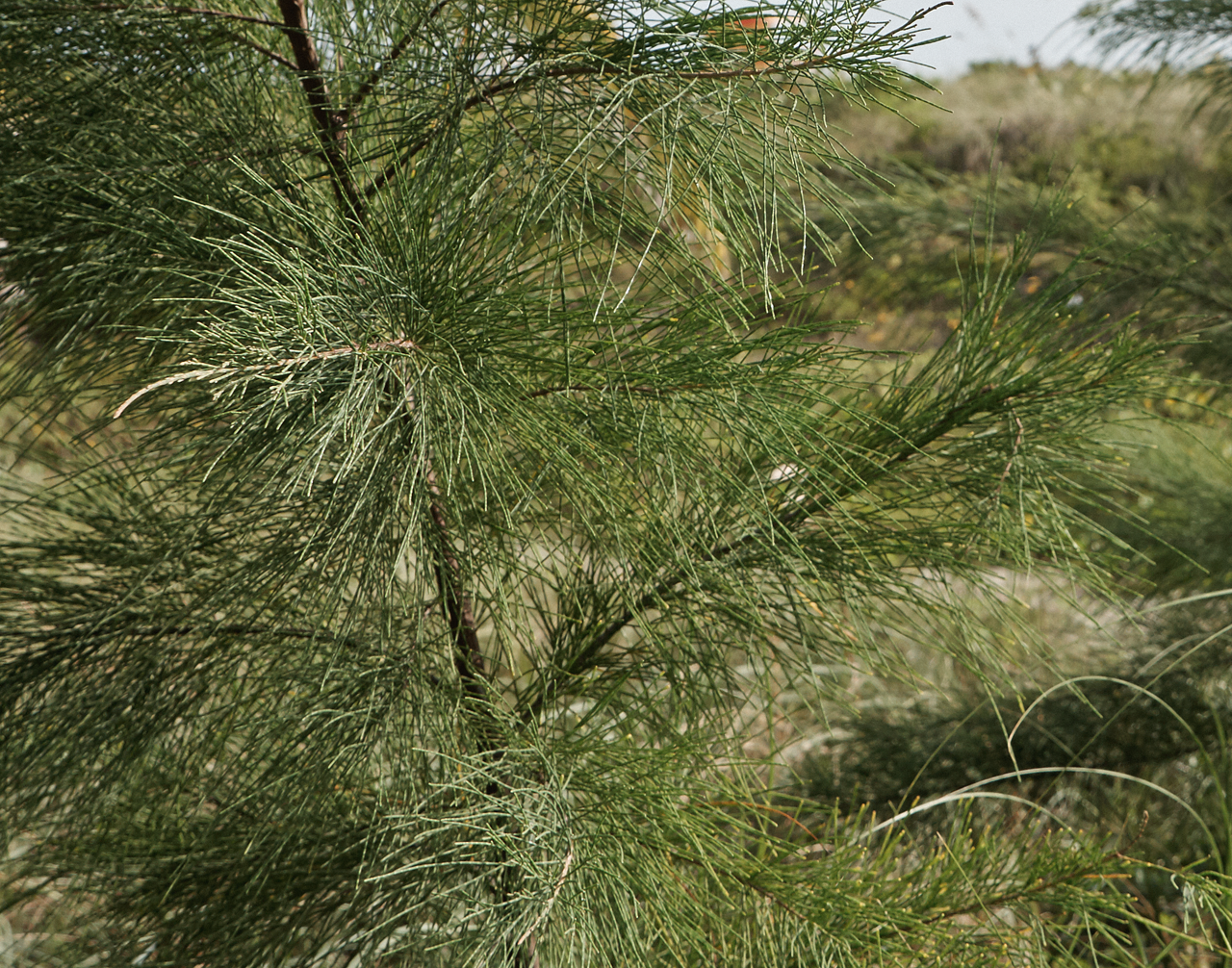

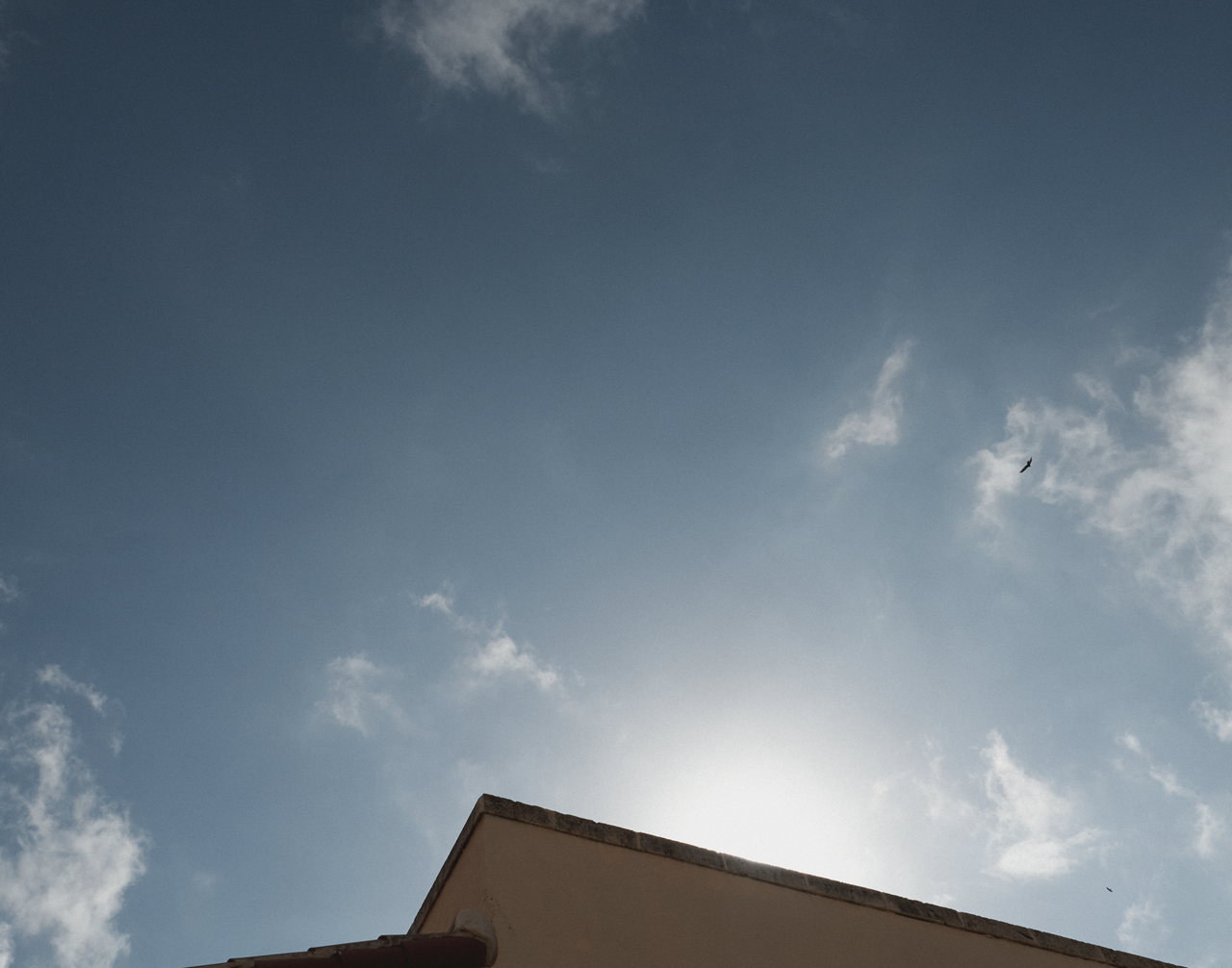

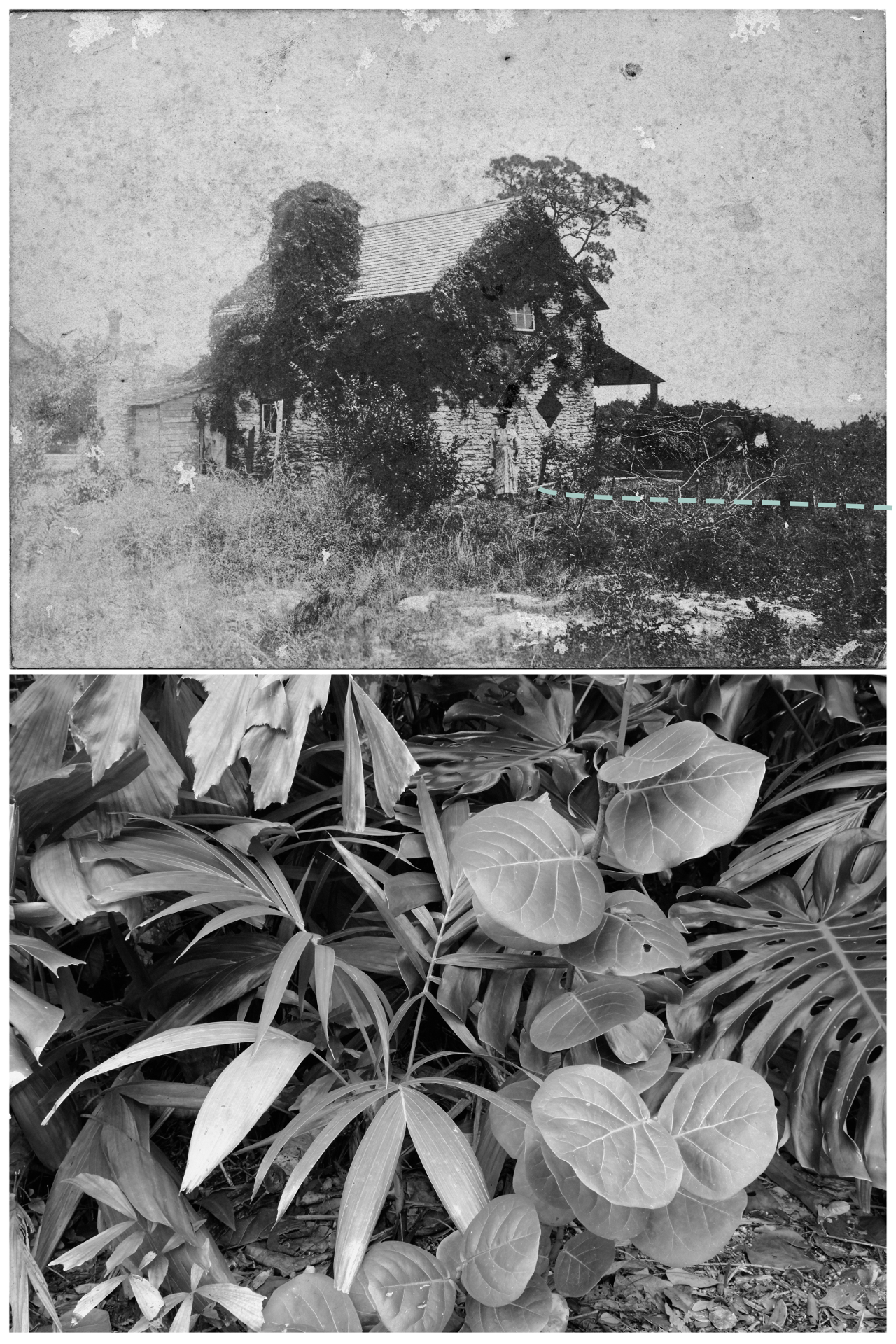
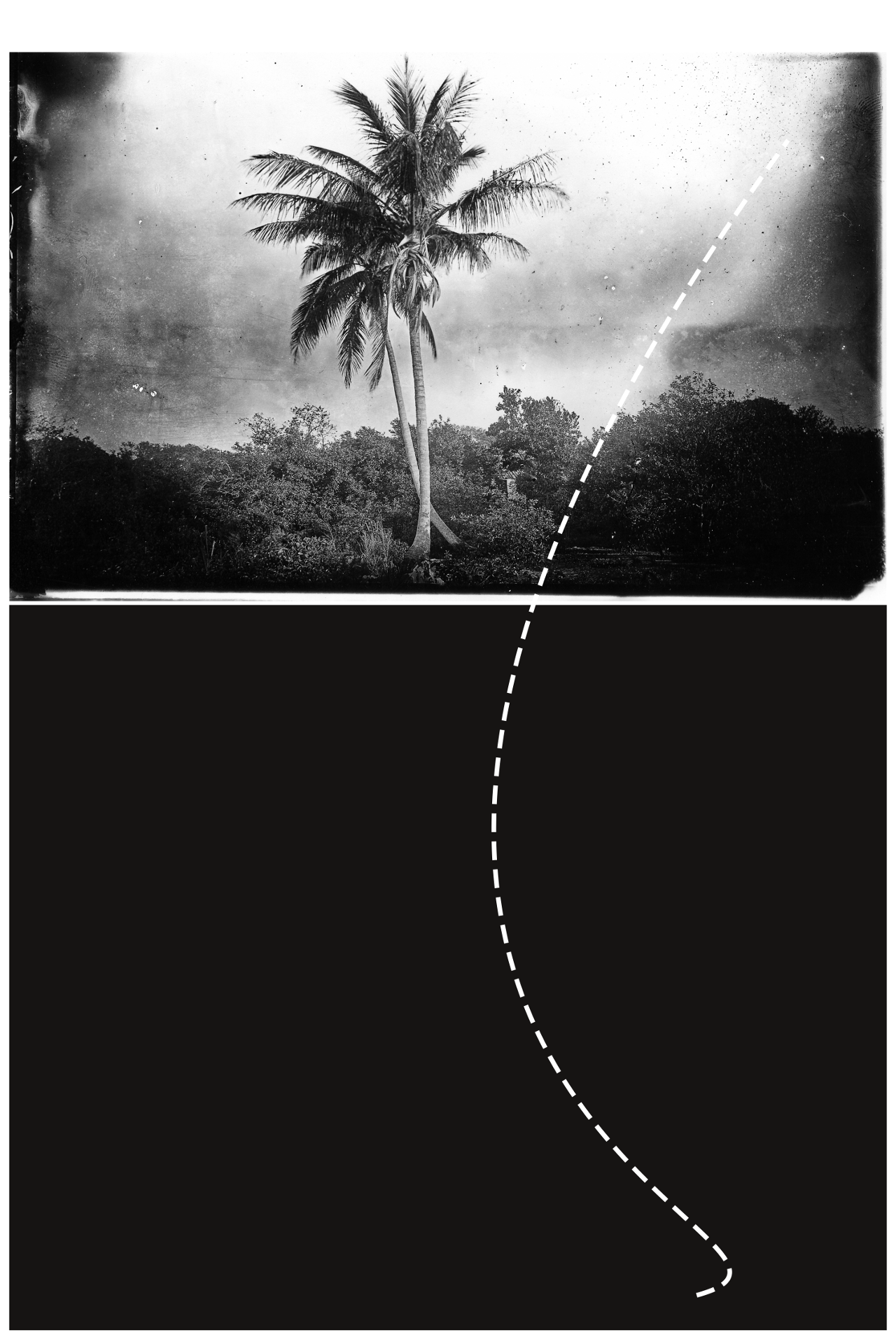

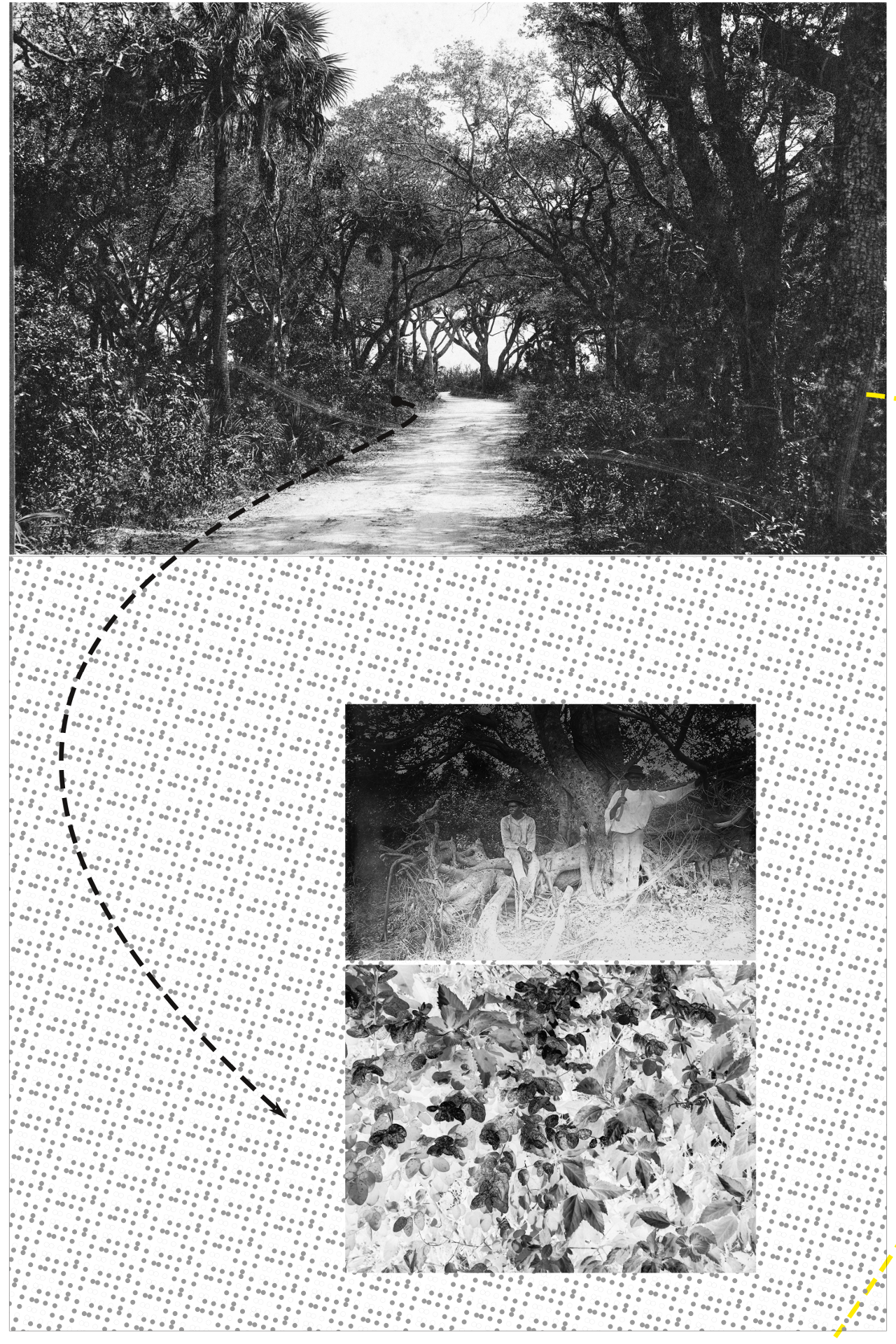
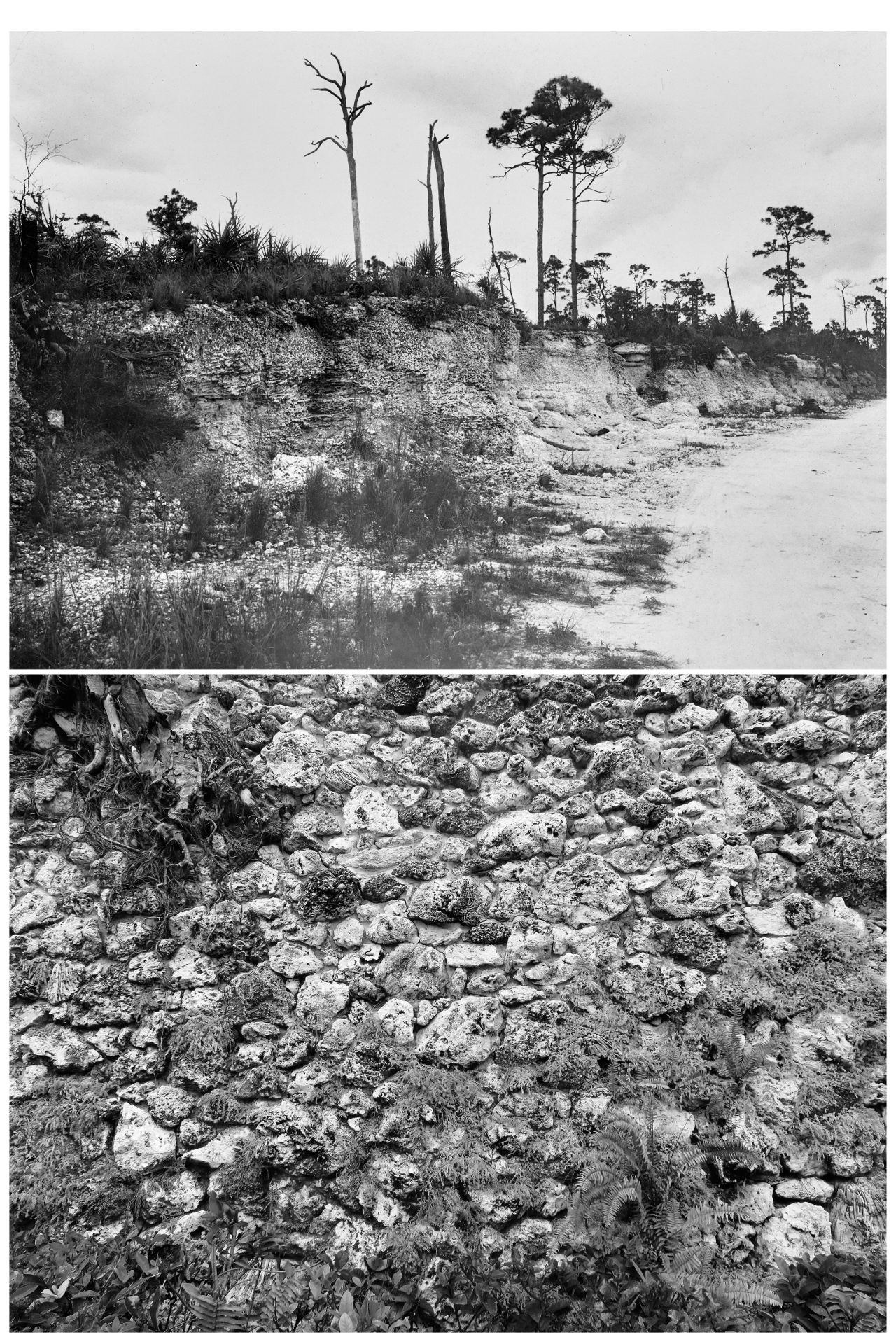
Untitled(We will settle for a place among the pines and the palms; a city without walls) 2017
Video, chromogenic prints and xerography on paper.
Shown in MemoryLab at HistoryMiami.
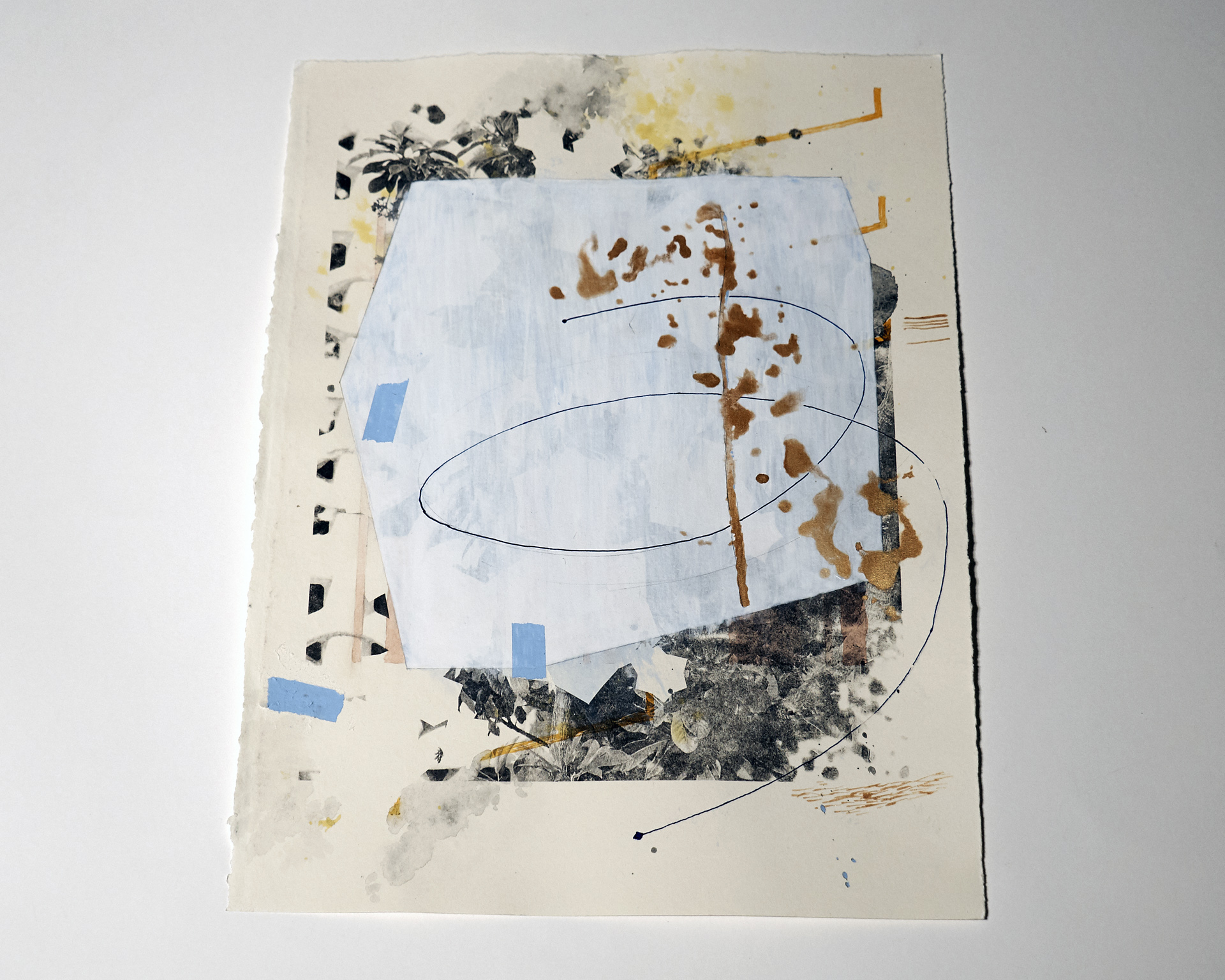
Untitled(Euclidian Appendage), 2017
Graphite, ink, gesso and solvent transfer on paper.
11 x 15 inches.
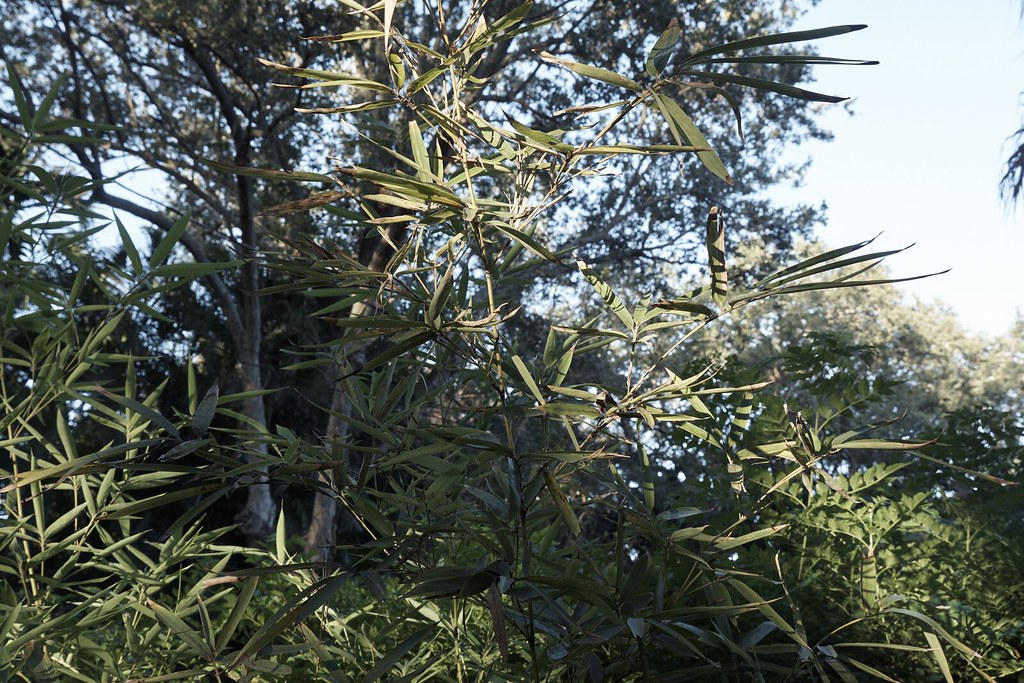
Untitled(Arced above us, an inference to more time)
Video and pigment print on vinyl
2017
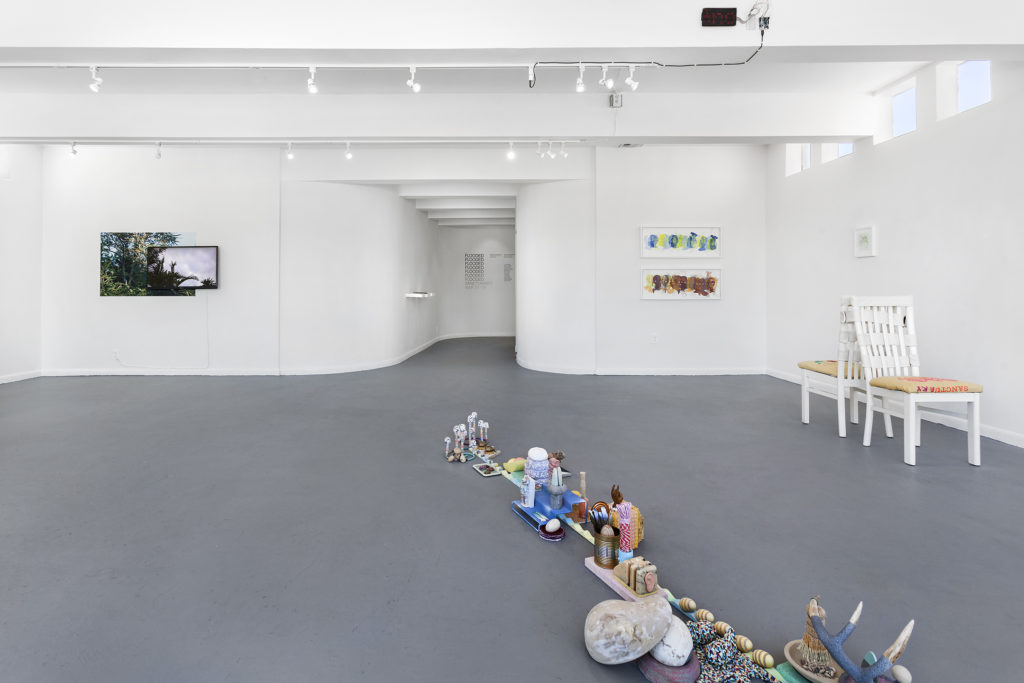
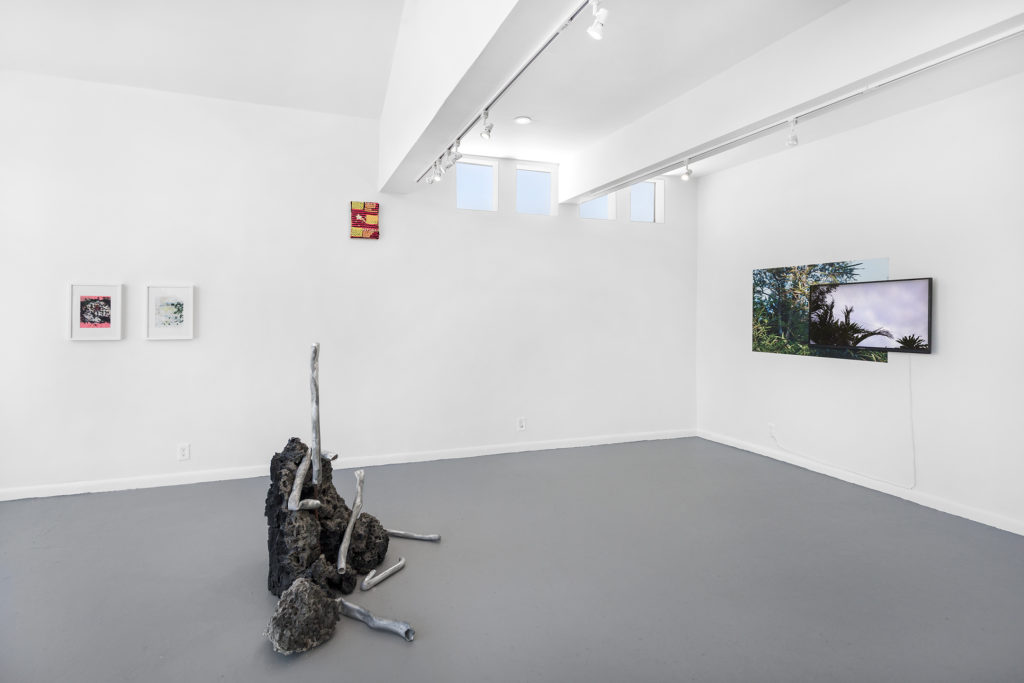
Installation photos by Zachary Balber.
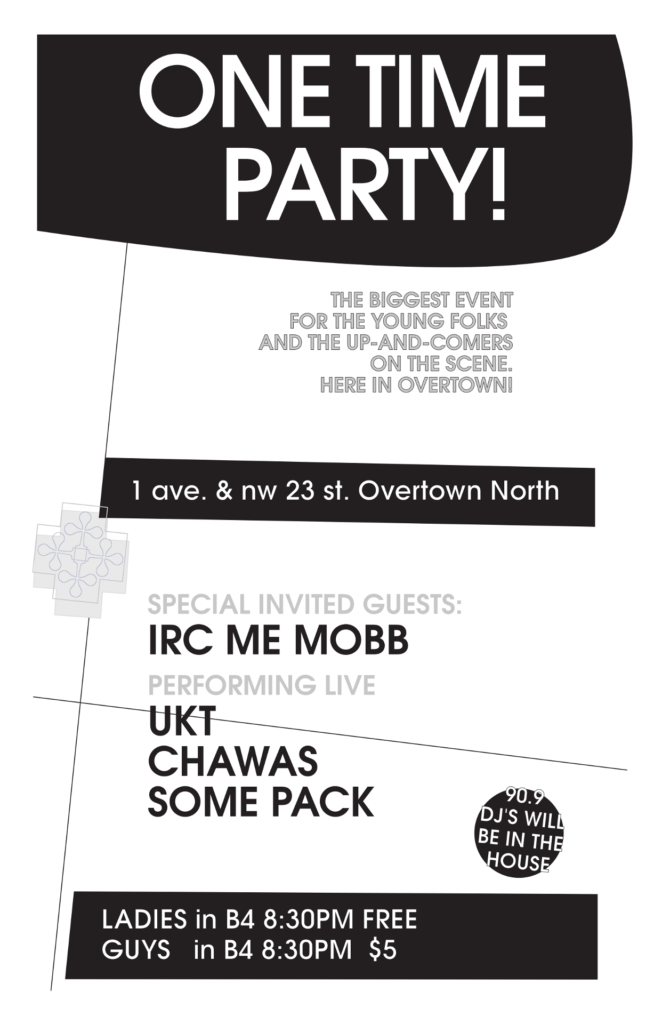
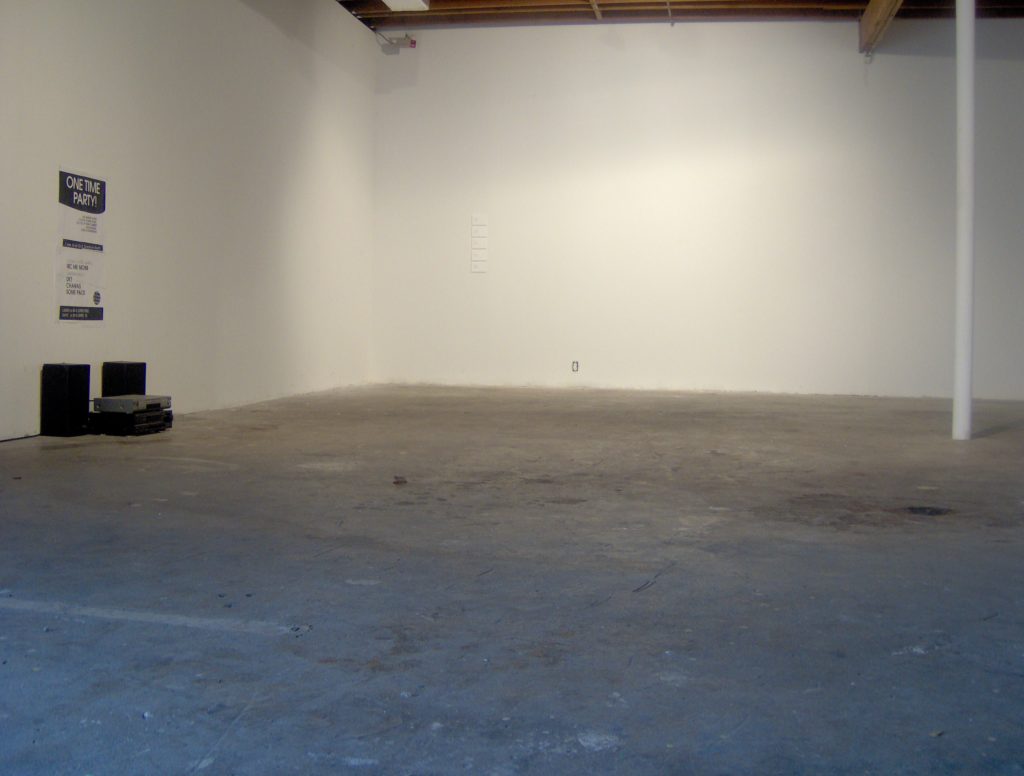 untitled(one time party)2007
Locust Projects Condition of Display
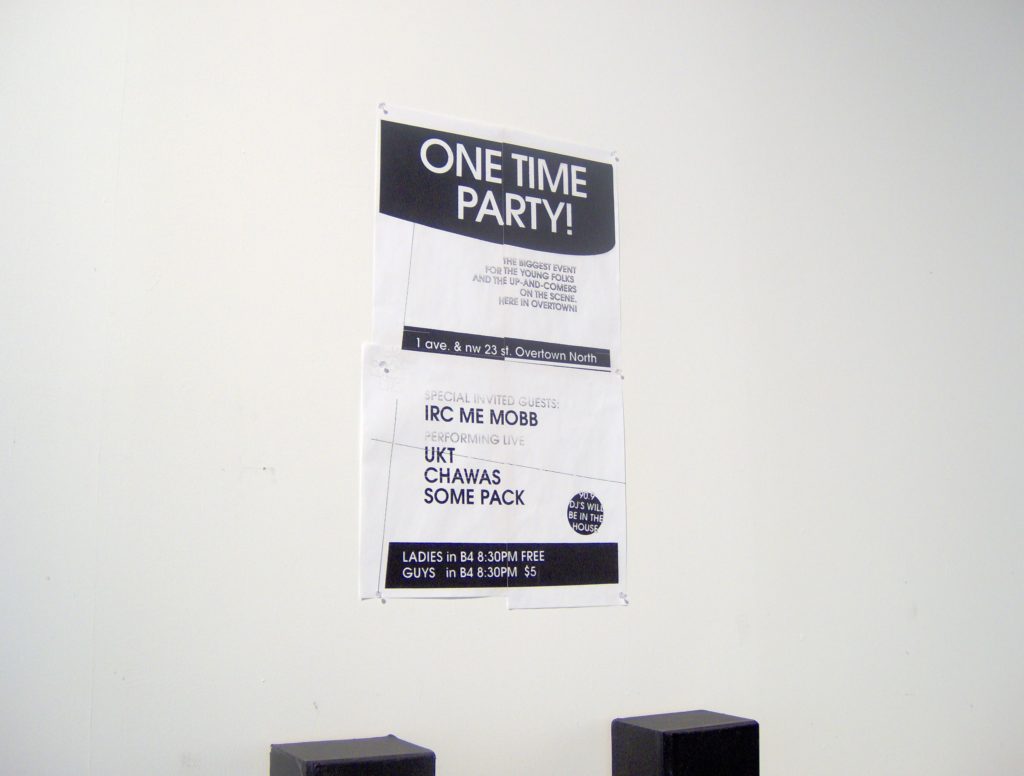 untitled(one time party) 2007
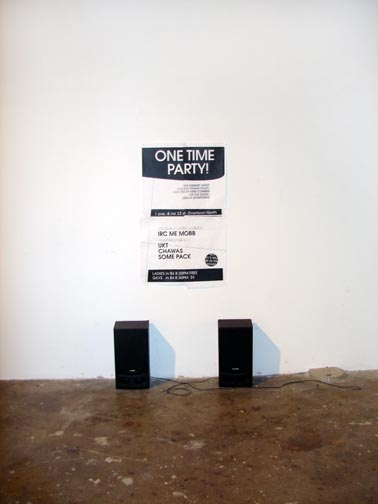
Locust Projects Condition of Display
 untitled(one time party) 2007 Locust Projects Condition of Display
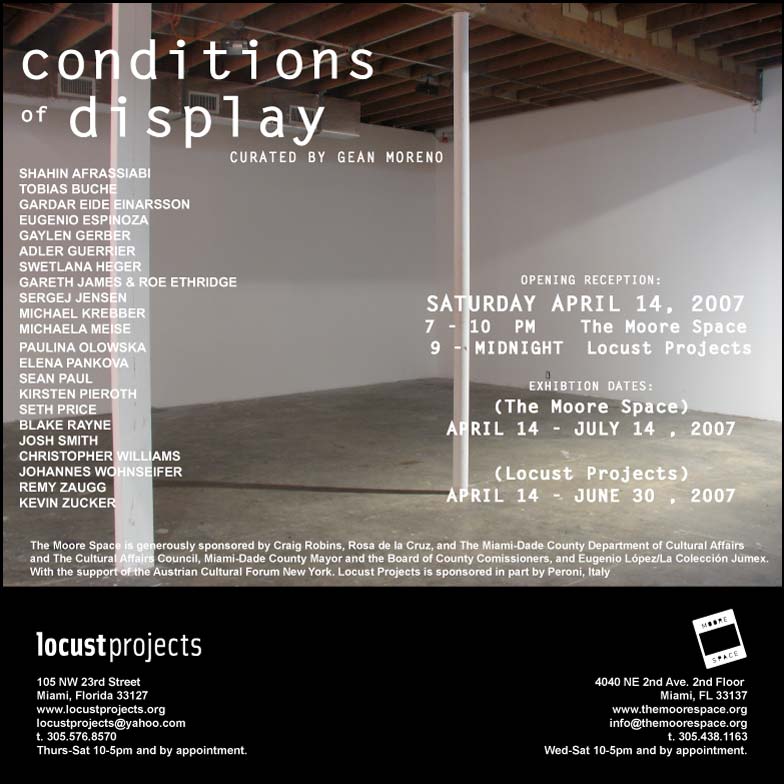
Conditions of Display curated by Gean Moreno
April 14 – June 30, 2007
Opening reception: Saturday, April 14 @ 9 pm
Locust Projects (on 23St.)
In their first collaborative project, The Moore Space and Locust Projects are pleased to present the two-venue exhibition Conditions of Display, curated by Gean Moreno. This exhibition will open to the public at both locations on SATURDAY, APRIL 14, 2007. At The Moore Space, the opening reception will be from 7pm to 10 pm, and at Locust, it will be from 9pm to midnight. Conditions of Display includes the following artists: Shahin Afrassiabi, Tobias Buche, Gardar Eide Einarsson, Eugenio Espinoza, Gaylen Gerber, Adler Guerrier, Swetlana Heger, Gareth James & Roe Ethridge, Sergej Jensen, Michael Krebber, Michaela Meise, Paulina Olowska, Elena Pankova, Sean Paul, Kristen Pieroth, Seth Price, Blake Rayne, Josh Smith, Christopher Williams, Johannes Wohnseifer, Remy Zaugg and Kevin Zucker.
In recent years there has been a renewed interest among younger artists to produce work that rescues some of the critical gestures of past generations. Conditions of Display sets out to showcase and explore the meaning of this refocusing on display strategies, presentational contexts, and the myriad ways in which artworks are framed and distributed. Stemming from the preoccupations of early conceptual artists that first turned toward a rigorous investigation of site, the concerns of these younger artists engage not only the immediate physical locale where the work is exhibited but the systems of distribution and display in which they function. Beyond this, the exhibition will explore how the critical gestures fare in our contemporary socio-cultural situation.
The work of four artists that first emerged in the late 1980s and early 1990s—Christopher Williams, Michael Krebber, Eugenio Espinoza and Gaylen Geber—made theirs the tradition of institutional critique and context-specific production. Against these, the work of the younger artists in Conditions of Display will be presented. Relying on different media—from digital videos to banners to paintings—these younger artists have revived certain critical and self-reflexive gestures, renewing an interrogation of site and the systems that frame the art object while remaining keenly aware of the socio-cultural situation in which the function.
Along with pre-existing objects, a number of the artists will be producing projects specifically for this exhibition. Gaylen Gerber will participate with a new Backdrop painting made specifically for The Moore Space. Berlin-based artist Tobias Buche will build a new, large-scaled display unit. Shahin Afrassiabi has shot a new video that focuses on educational spaces. Miami-based artists Adler Guerrier and Eugenio Espinoza will both make new work. Guerrier’s will involve, among other things, a psycho-geography of the increasingly-gentrified neighborhood of Wynwood and Espinoza will be rehabilitating part of the installation that he produced for Locust Projects in 2005. Sean Paul is working on a context-specific reaction to the sites in which this exhibition will take place. Gardar Einar Einarsson and Blake Rayne will also be participating with new work.
This exhibition runs until June 30th at Locust Projects and July 14th at The Moore Space.
The Moore Space is a non-profit art space in the Design District in Miami. Founded in 2001, its mission is to present international contemporary art forms. It achieves this through an experimental program of cross-disciplinary exhibitions, performances, artists and curators residencies and public programs which reflect the state of contemporary art today: new forms, new voices and new thought. This exhibition is sponsored by: Craig Robins, Rosa de la Cruz, and The Miami-Dade County Department of Cultural Affairs and The Cultural Affairs Council, Miami-Dade County Mayor and the Board of County Commissioners, Eugenio López/La Colección Jumex generously sponsor the Moore Space with the support of the Austrian Cultural Forum New York. The Moore Space is located at 4040 NE 2nd Avenue, 2nd floor in the Design District. Regular Hours: Wed – Sat 10 am – 5 pm. Admission: free of cost.Locust Projects is an alternative, not for profit, Miami based exhibition space dedicated to providing contemporary visual artists the freedom to experiment with new ideas and methods without the pressures of gallery sales or other limitations of conventional exhibition spaces. Artists are encouraged to create site-specific installations as an extension of their representative work; Locust Projects offers them a vibrant Miami experience to develop their ideas and methods. Locust Projects is committed to offering an approachable and inviting venue for the Miami and international art community to experience the work and meet the artist. Locust Projects is sponsored in part by Peroni, Italy. Locust Projects is located at 105 NW 23rd Street in Wynwood.
Regular Hours: Thu – Sat 10 am – 5pm, Admission: Free of cost.
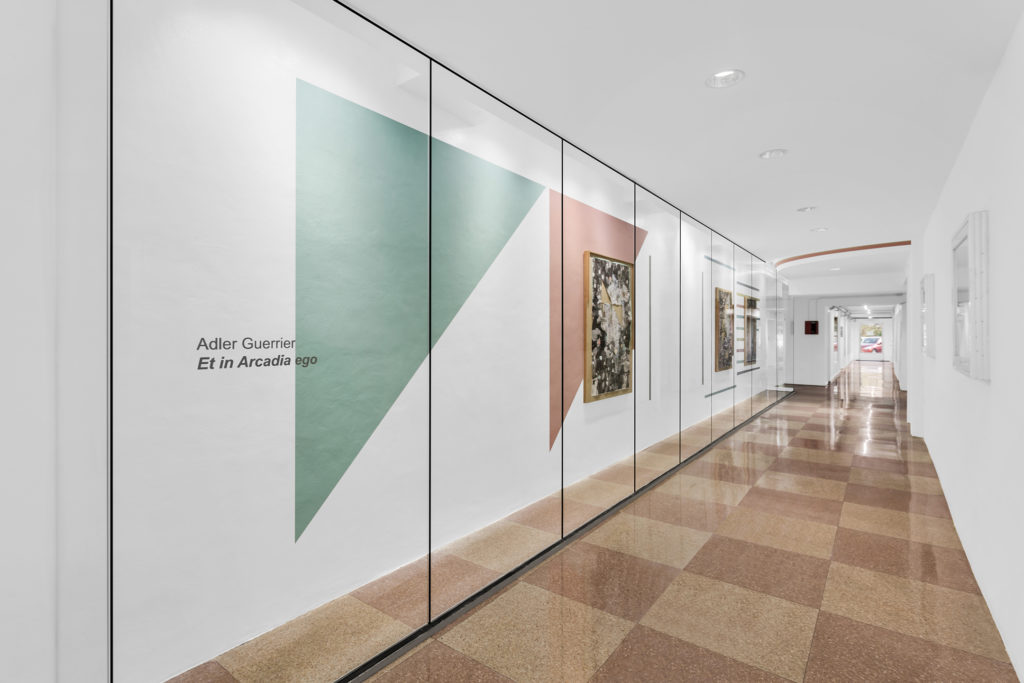
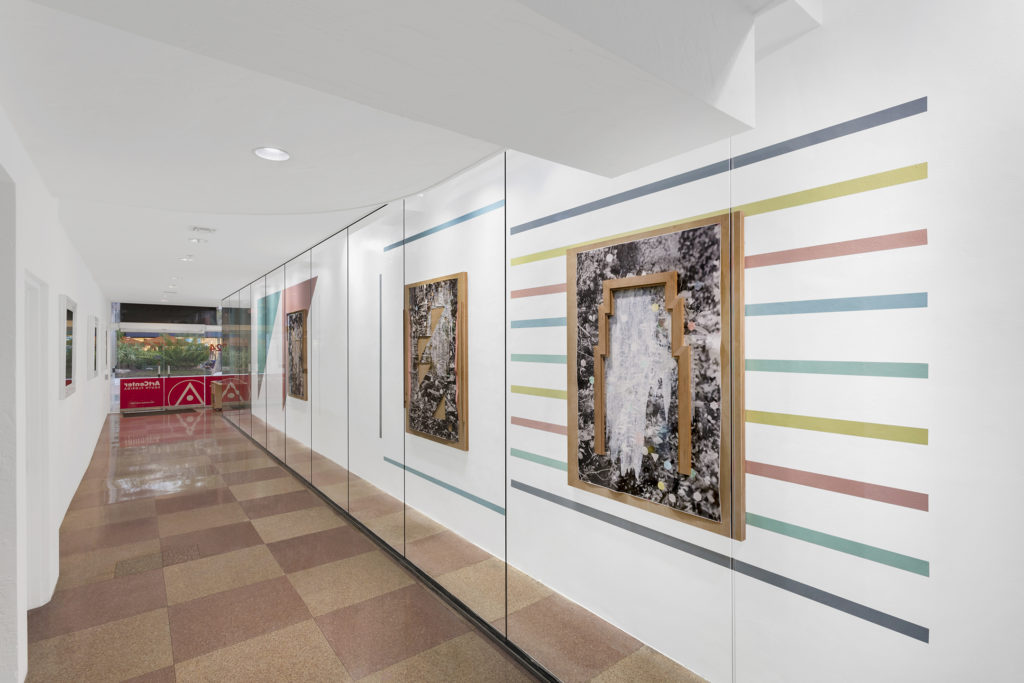

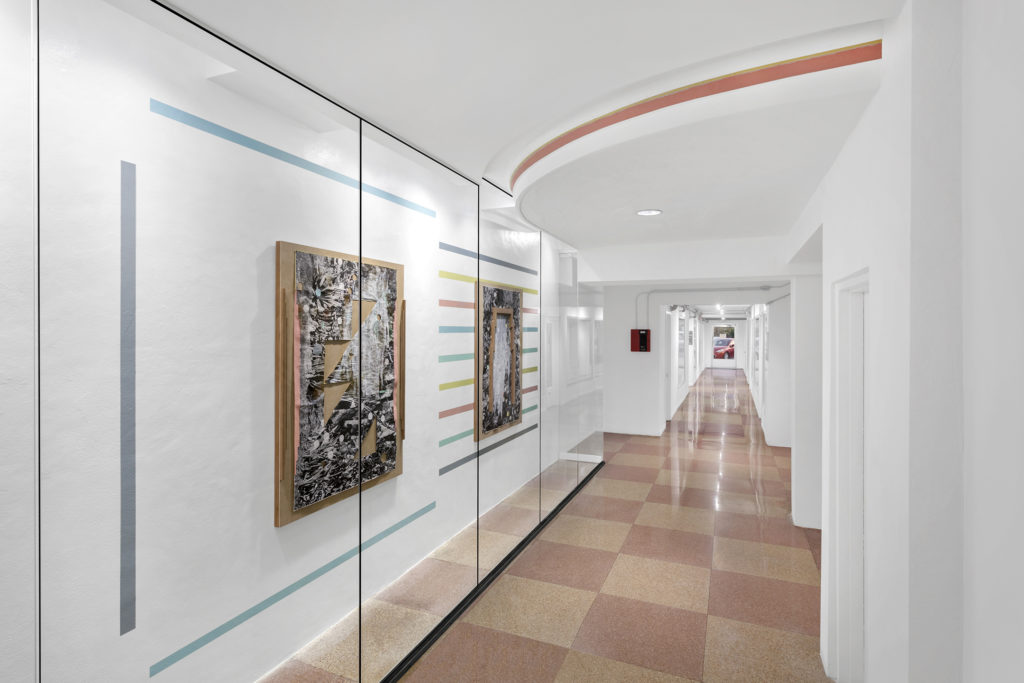
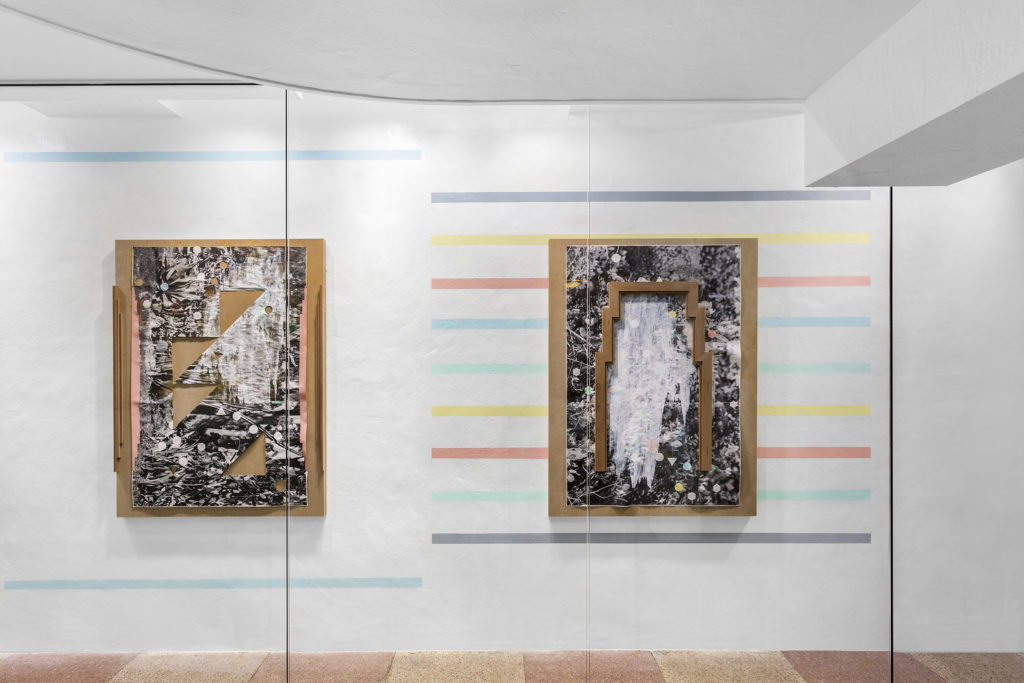
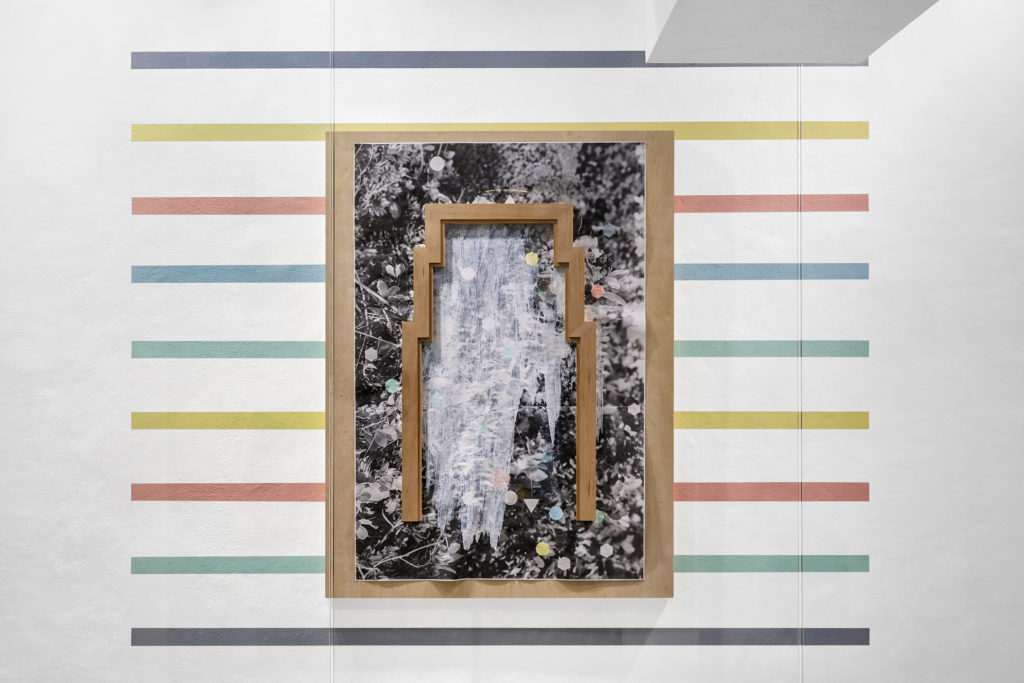
Untitled(Et in Arcadia Ego) 2017
Acrylic, enamel paint, gesso and xerography on paper, wood, artist frames, map pins and wallpaint.
Installed at 924 Vitrine.
Photography by Zachary Barber
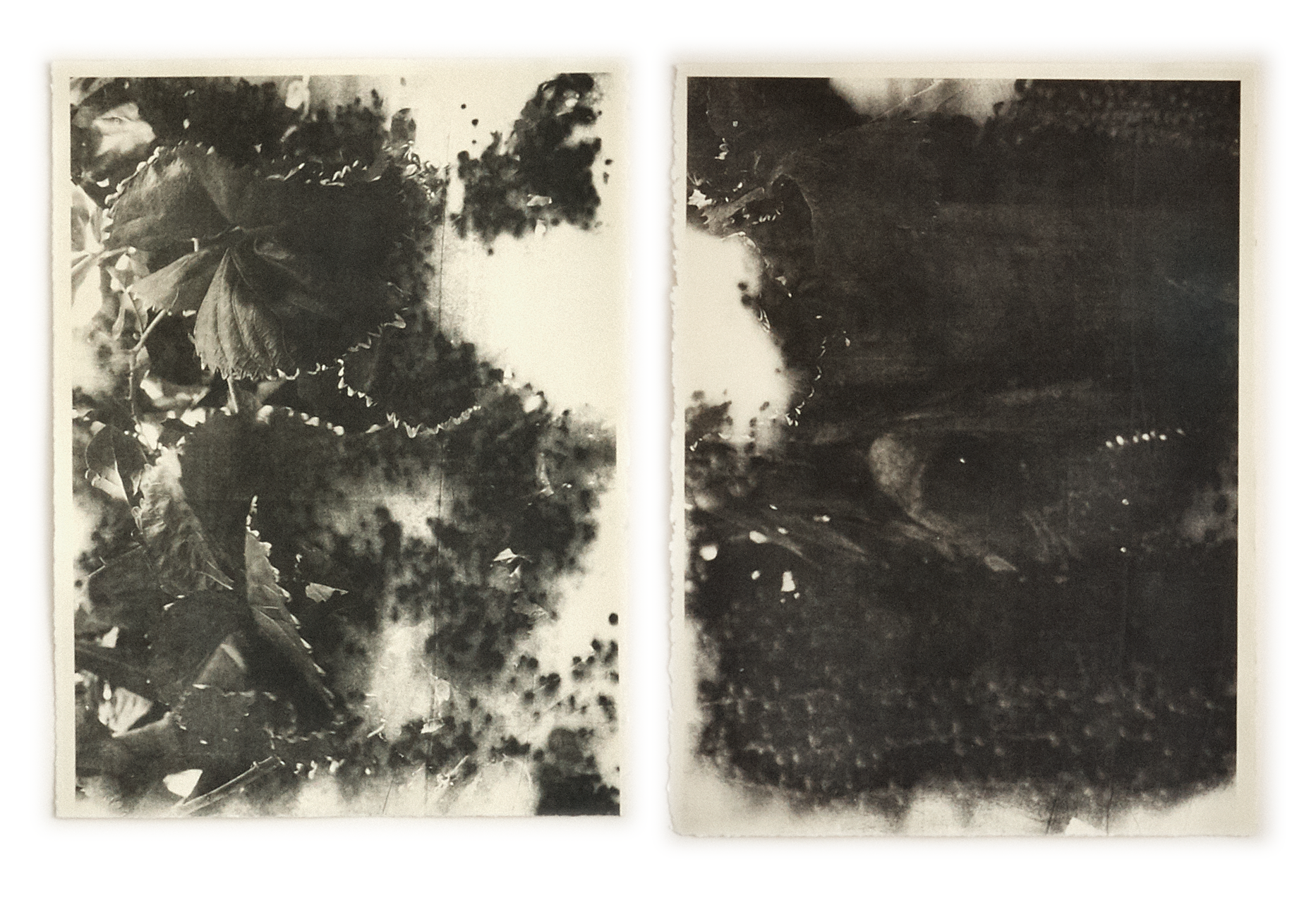
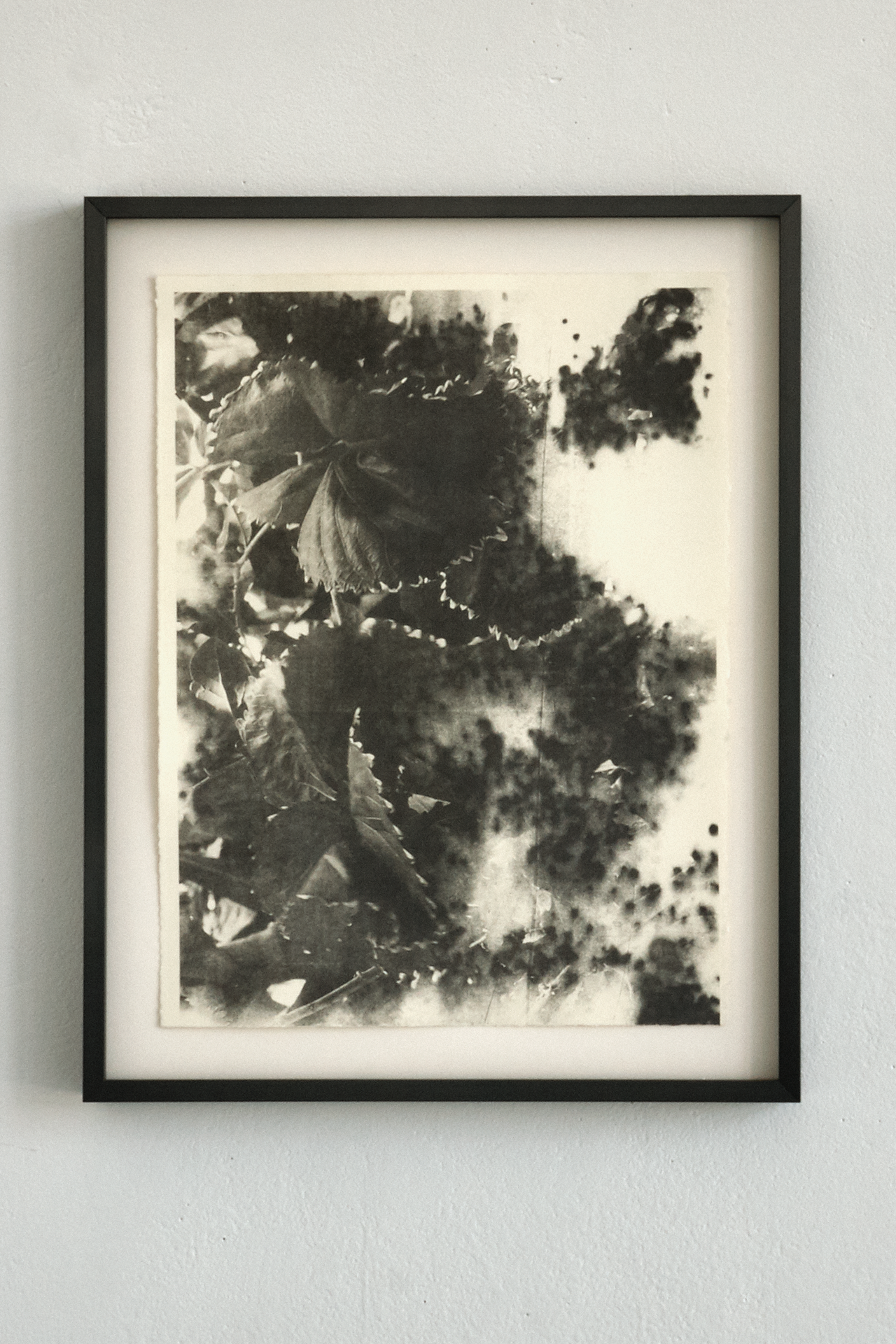
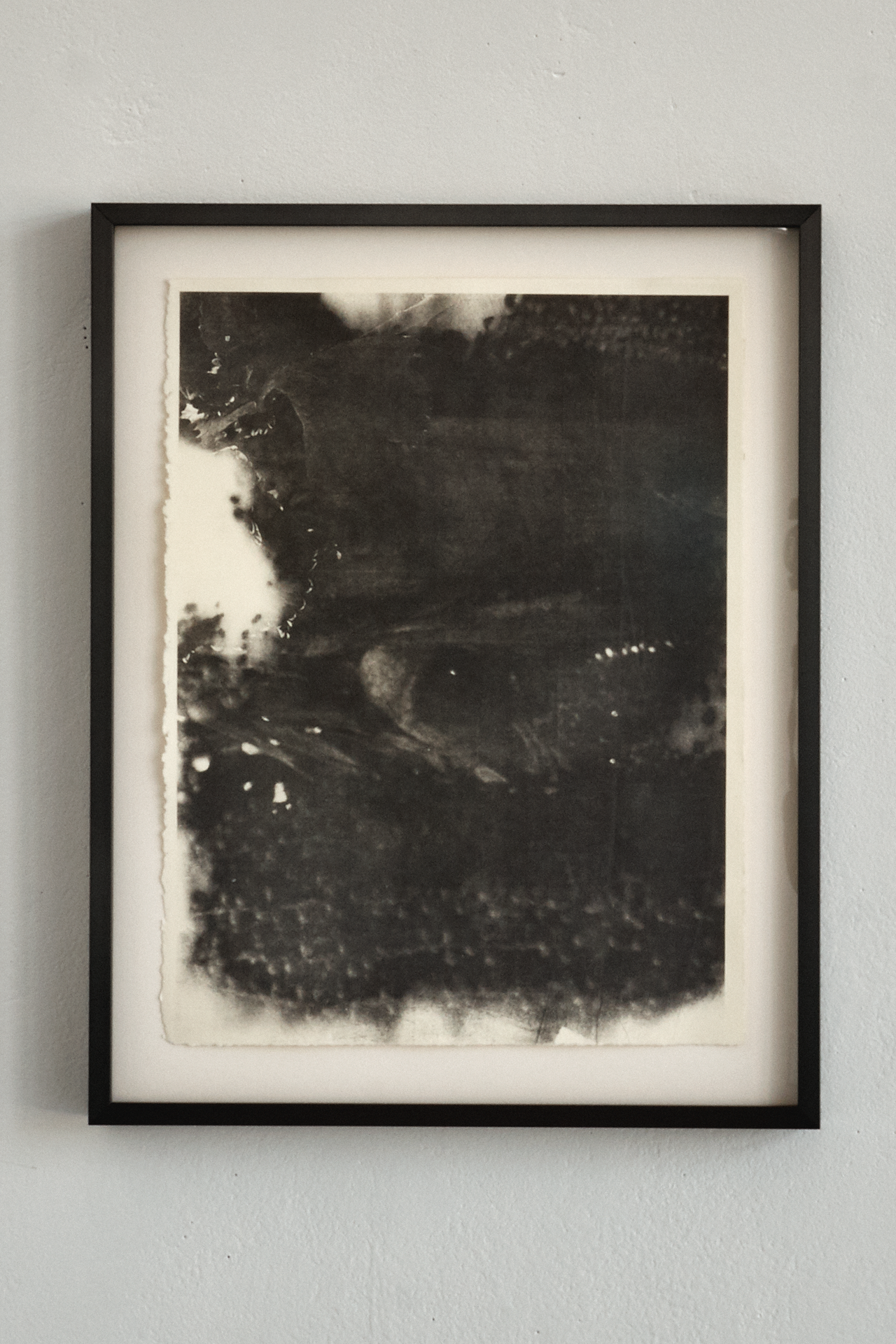
Untitled(Caryota diptych)
2016
Solvent transfer on paper.
Two 11 x 15 inches.